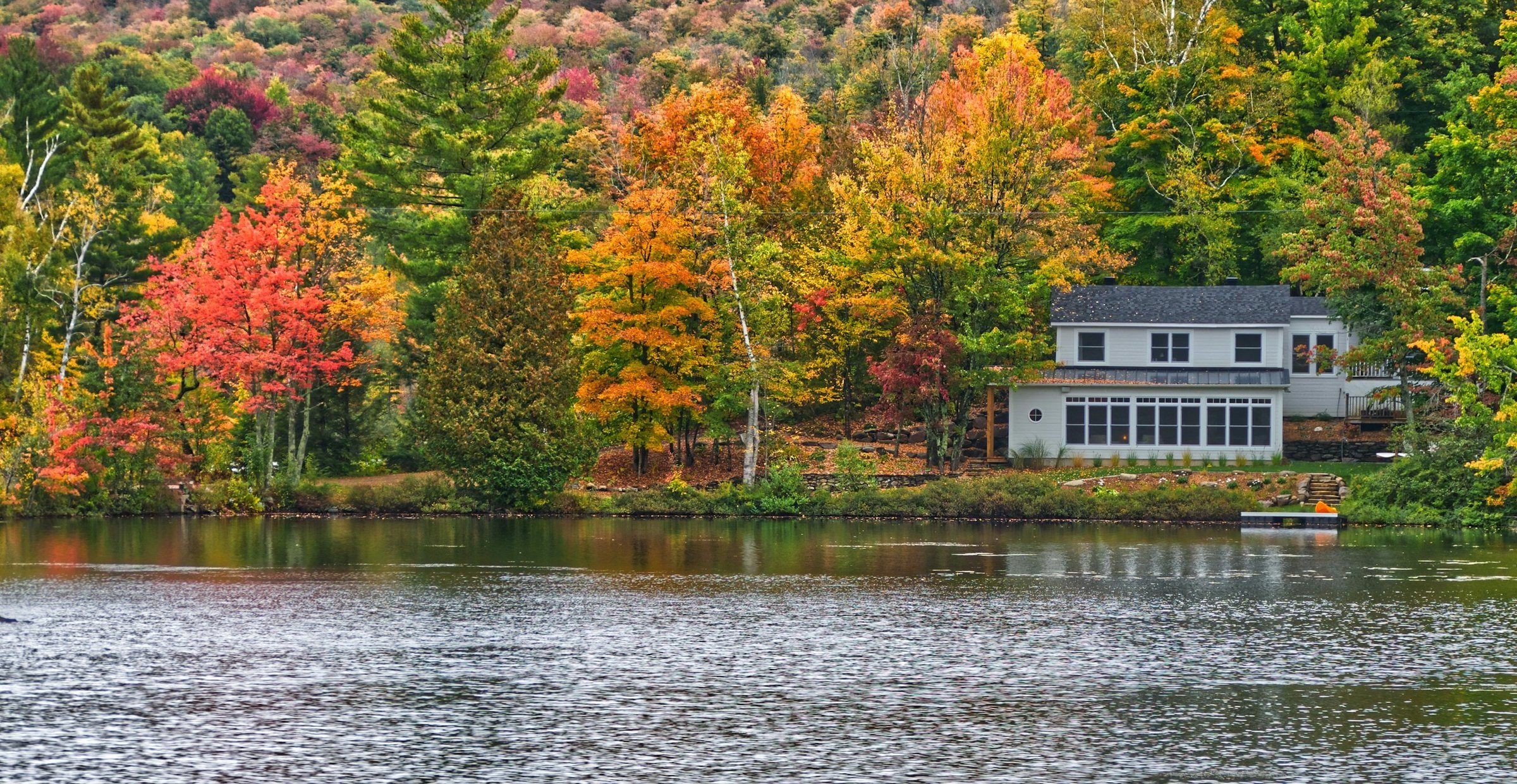
Lake Wissota Roofing: Moss, Shade and Wind on Waterfront Homes
A roof beside a 6,024-acre lake and under mature trees stays damp, grows moss and takes wind that nothing has slowed down. We roof Lake Wissota homes and cabins with materials and details chosen for that.
Get a Lake Wissota Roof Estimate
Tell us what's going on with your roof and we'll call you back.
- Free roof estimates at Lake Wissota
- Algae-resistant shingles and steel
- Shoreland zoning checked for your lot
Why Lake Wissota Roofs Age Faster Than Roofs in Town
Lake Wissota is a 6,024-acre reservoir on the Chippewa River, just east of Chippewa Falls. It was created when the Wissota hydroelectric dam was completed in 1917. The homes around it are spread across the towns of Lafayette, Anson and Eagle Point, and the census counts the community on the southern shore, in Lafayette, as a place of its own, with 2,830 residents in 2020. Lake Wissota State Park covers 1,062 acres on the northeast shore.
A roof beside that much water, under that many trees, does not age like the same roof on a street in town. It stays wet longer. It catches needles and leaves. It takes wind that has had a mile or more of open lake to build. A shingle that would last its full life in a sunny subdivision can be green with moss here well before then.
None of that is a reason to worry. It is a reason to choose materials and details for the site, and to look at the roof more often than once every twenty years. We are a roofing company in Chippewa Falls, and the lake starts about three miles east of the city.
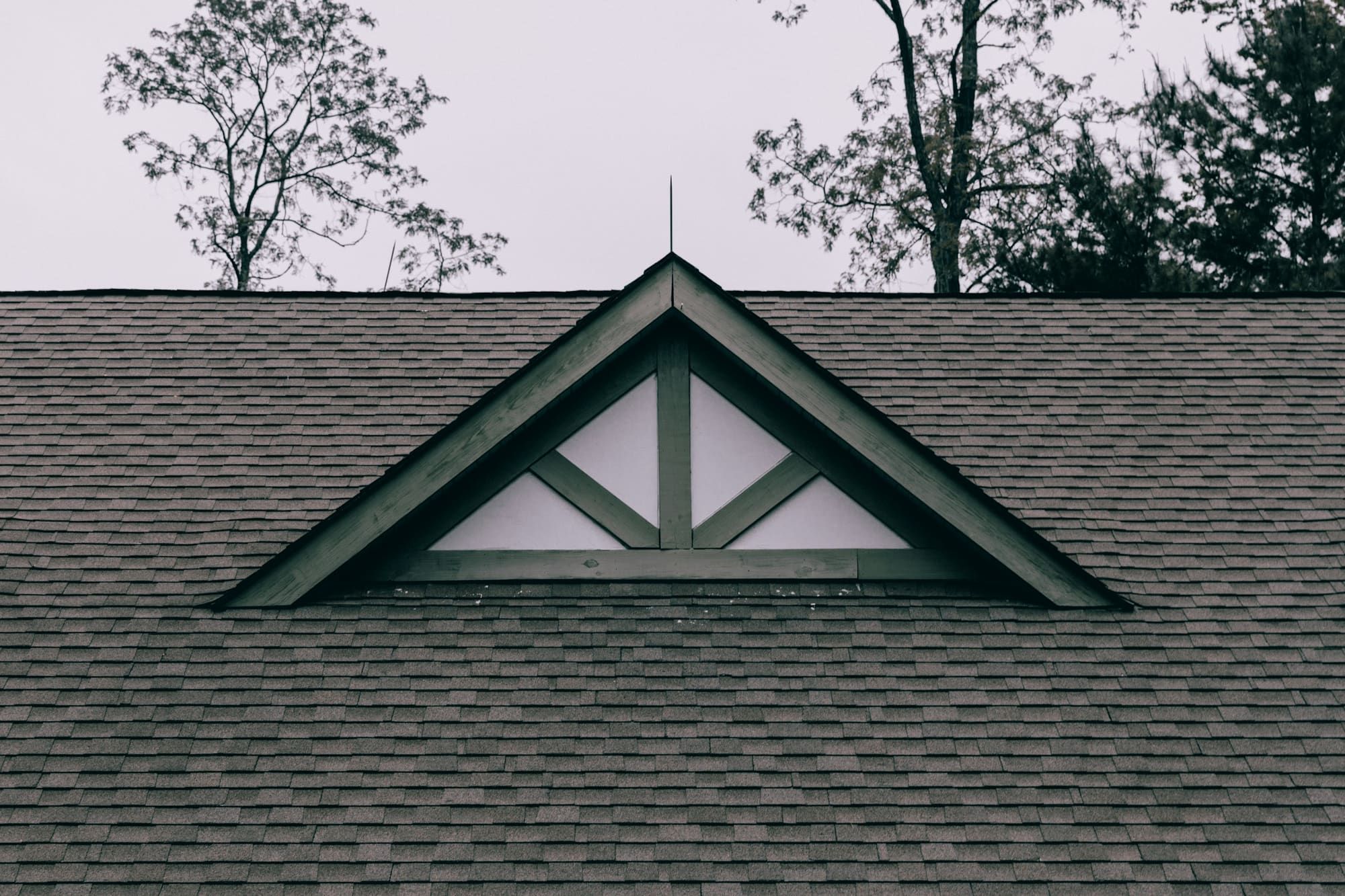
Moss, Algae Streaks and Needle Dams on Shaded Lake Wissota Roofs
Mature pines, oaks and maples are a large part of why people want to live here. They are also why the roofs stay damp.
Moss on the north slopes
Moss settles where the sun never dries the shingles: north-facing slopes and the shadow of an overhanging limb. It holds water against the roof and lifts shingle edges, so the next wind has something to grab. Trimming branches back does more for a mossy roof than any product, because it removes the shade the moss depends on.
Black algae streaks
The dark streaks running down a roof are algae, not dirt and not moss. They are mostly a cosmetic problem. When the roof is replaced, an algae-resistant shingle with copper-bearing granules keeps them from returning for years. That protection is aimed at streaking. It does not stop moss.
Needles and leaves in the valleys
Debris piles up in valleys and behind chimneys and dams the water there. A valley that drains slowly is a valley that leaks first, and under snow the pile stays wet all winter. Keeping valleys clear each fall is the cheapest roof work there is.
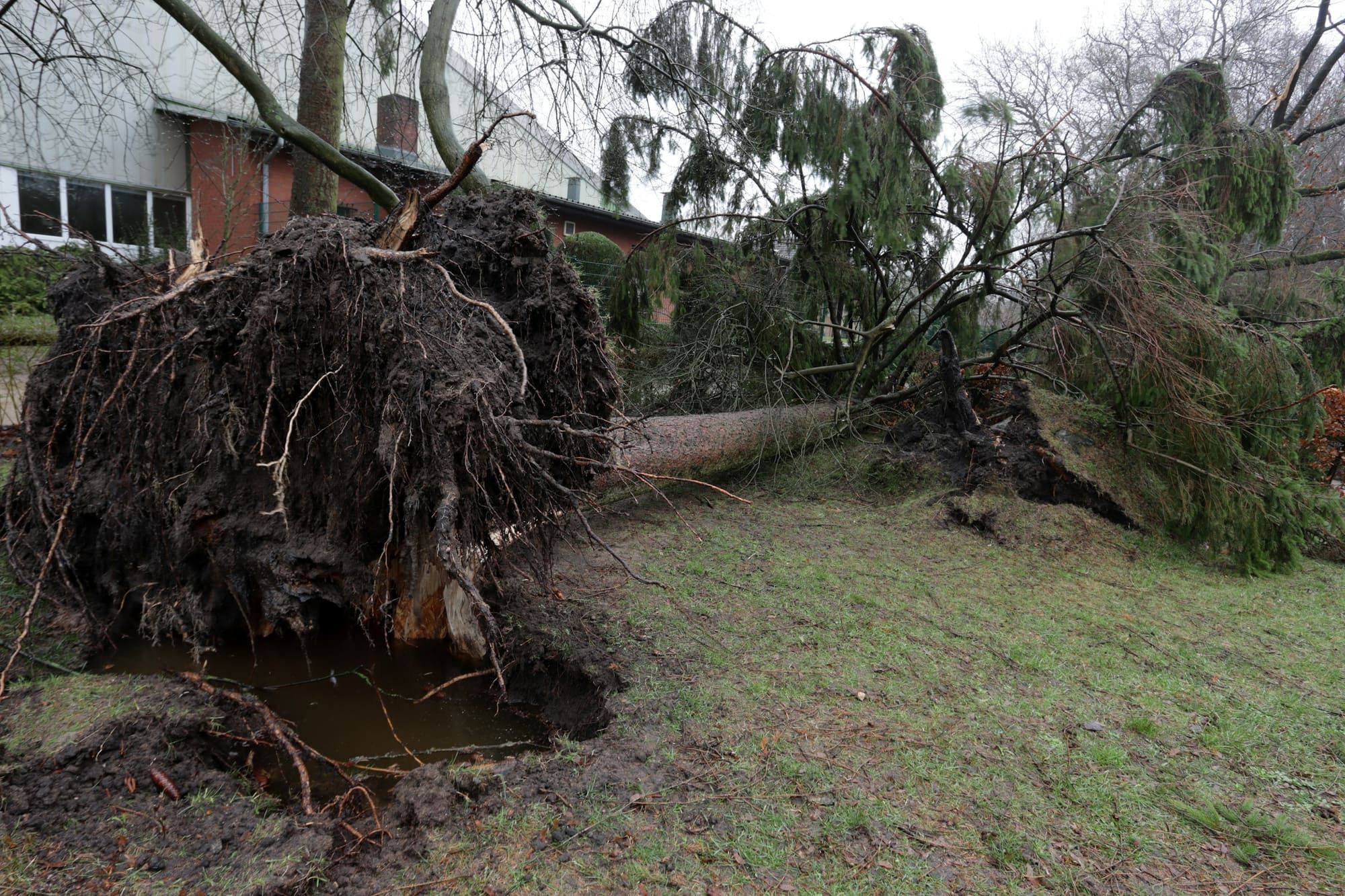
Wind Off Open Water and Limbs Over the Roof at Lake Wissota
Trees and buildings break up wind over land. A lake does not. Homes on exposed points and along the wider reaches take stronger gusts at the roof edge, which is where shingles lift first. Starter strips, edge metal and correct nailing matter more on a lakeshore than anywhere else we work.
The trees cut the other way too. The same storm that only rattles the windows in town can drop a limb through a roof at the lake, and overhanging branches scrape granules off shingles all year long.
After a wind event, walk the yard before you look up. Tabs on the lawn, a ridge cap in the shrubs or a limb resting on the roof are all worth a call, and we photograph what we find so you have something to show your insurer.
Shingles or Steel on a Wooded Lake Wissota Lot?
Both work. The site usually tips the decision.
Asphalt shingles are the lower up-front price and suit most roof shapes, including the cut-up roofs that come from decades of additions. On a shaded lot, choose an algae-resistant line and plan on keeping the roof clear of debris. Expect to treat moss now and then on the slopes that never see the sun. Our asphalt shingle roofing page explains what algae resistance does and does not do.
Metal is the higher price and asks less afterward. Needles and leaves slide off, moss struggles to root, and wind has no tabs to lift. The trade-offs are sliding snow, which has to be managed above doors and decks, and the work of trimming out a complicated roof. A simple gable cabin is the ideal candidate. A house with six dormers is not. Standing seam and screw-down panels are compared on our metal roofing page.
Whichever you choose, the details underneath do the real work: ice and water membrane at the eaves and valleys, flashing that is replaced rather than reused, and an attic that can breathe.
Seasonal Cabins on Lake Wissota: Ice Dams Nobody Is There to See
Chippewa County sits in the 40 pounds per square foot zone on Wisconsin's roof snow load map. Cabins with low-slope additions, enclosed porches and shallow dormers collect that snow in awkward places.
The bigger risk on a seasonal place is time. With the heat turned low, an ice dam can still form above a warm spot, and the leak behind it can run for weeks before anyone opens the door. A neighbor or a caretaker checking the ceilings after a long cold spell, and the eaves for heavy ice, catches it while it is still a stain and not a ceiling. Before you close up, clear the valleys of leaves and needles and make sure no limbs hang over the roof.
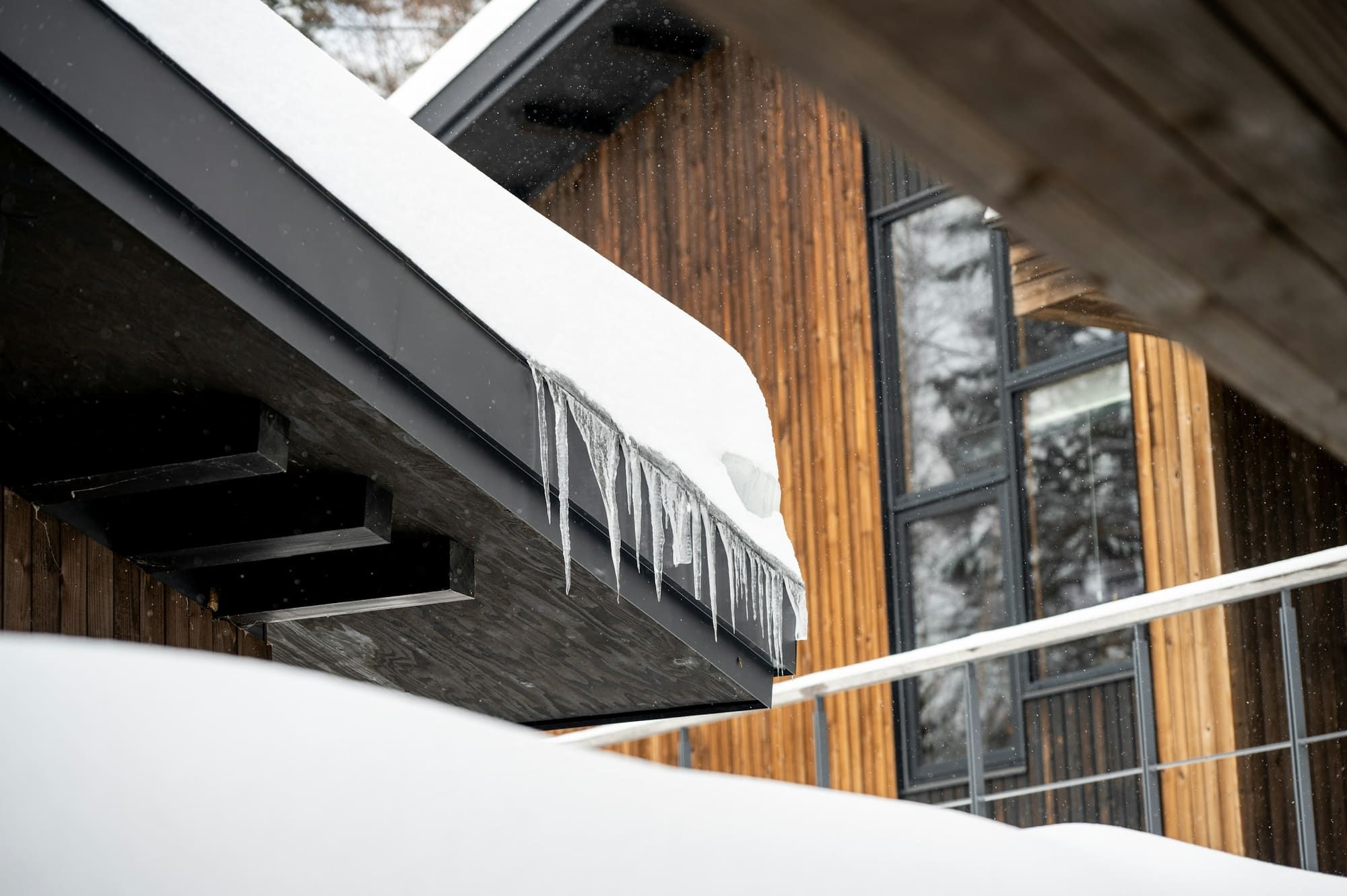
Lake Wissota Roofing Permits: Town, County and Shoreland Zoning
There is no City of Lake Wissota. Which office you deal with depends on which town your property is in, and near the water there is a county layer on top.
The Town of Anson, on the north and east sides, says on its website that it is zoned through Chippewa County and that all permit requests go through the county's office at the courthouse. The Town of Lafayette, on the south shore, does not publish a roofing permit rule on its forms page.
Chippewa County's shoreland zoning ordinance applies within 1,000 feet of a lake, pond or flowage and within 300 feet of a river or stream. The county says permits are required there for new construction, additions, alterations and land disturbances. Its summary does not mention re-roofing.
So we do not assume. If the job is a like-for-like roof, we confirm with the town or the county that nothing more is needed. If you are changing the roofline, adding a dormer or building over a porch, expect a permit and talk to the county early.
One practical note on access: Highway 29 runs along the south side of the lake and County Highway X crosses the water at the bridge that divides off Little Lake Wissota. The north and east shores, toward the state park, are a longer drive around, and narrow lake roads change where a trailer and a dumpster can sit. We work that out at the estimate.
Lake Wissota Roofing Questions: Moss, Steel on Cabins, Shoreland Zoning
Why does moss grow on my roof at Lake Wissota, and does it hurt the shingles?
Moss needs shade and moisture, and a roof under mature trees near the water has both. It takes hold first on north-facing slopes and in the shadow of overhanging limbs. Left alone, moss holds water against the shingles and lifts their edges, which shortens the life of the roof. It should be treated and removed gently. Scraping or pressure washing strips the granules and does more harm than the moss.
Are the black streaks on my roof the same thing as moss?
No. Black streaks are algae, which feeds on the limestone filler in asphalt shingles. It is mostly a cosmetic problem and does not mean the roof is failing. When the roof is eventually replaced, algae-resistant shingles, which have copper granules blended in, keep the streaks from coming back for a long time.
Is a metal roof a good choice for a Lake Wissota home or cabin?
Often, yes. Metal sheds needles, leaves and snow better than shingles, gives moss little to grip, and holds up well to wind off the water. Standing seam suits a year-round home. Exposed-fastener steel is a sensible, lower-cost choice for a seasonal cabin, a boathouse or a garage. Snow slides off metal in sheets, so entries, decks and walkways need snow guards above them.
Does shoreland zoning affect a new roof near Lake Wissota?
Chippewa County's shoreland zoning ordinance applies within 1,000 feet of a lake and 300 feet of a river or stream, and it requires permits for new construction, additions and alterations. The county's published summary does not address re-roofing specifically. Putting new roofing on the same footprint is generally a different matter from changing a roofline or adding on, but we confirm with Chippewa County Planning and Zoning or your town before work starts.
How often should a roof at the lake be looked at?
Once a year from the ground is a sensible habit, in fall after the leaves are down, and again after any storm that drops limbs. You are looking for moss thickening on the north side, debris sitting in the valleys, tabs that have lifted along the edges and branches that now touch the roof. None of that needs a ladder, and catching it early is the difference between a cleaning and a new section of roof.
Can you get equipment to a house on a narrow lake road or a steep lot?
Usually, and we plan for it during the estimate rather than on the first morning of the job. We look at where a trailer or dumpster can sit, how materials reach the roof, which trees are in the way and how the slope toward the water changes ladder and safety setup. If access adds labor, the written estimate says so.
Moss, Streaks or Missing Tabs at Lake Wissota? Start With a Free Look.
Call, text a photo of the roof or send the form. We will look at it, tell you what it needs and put the price in writing.