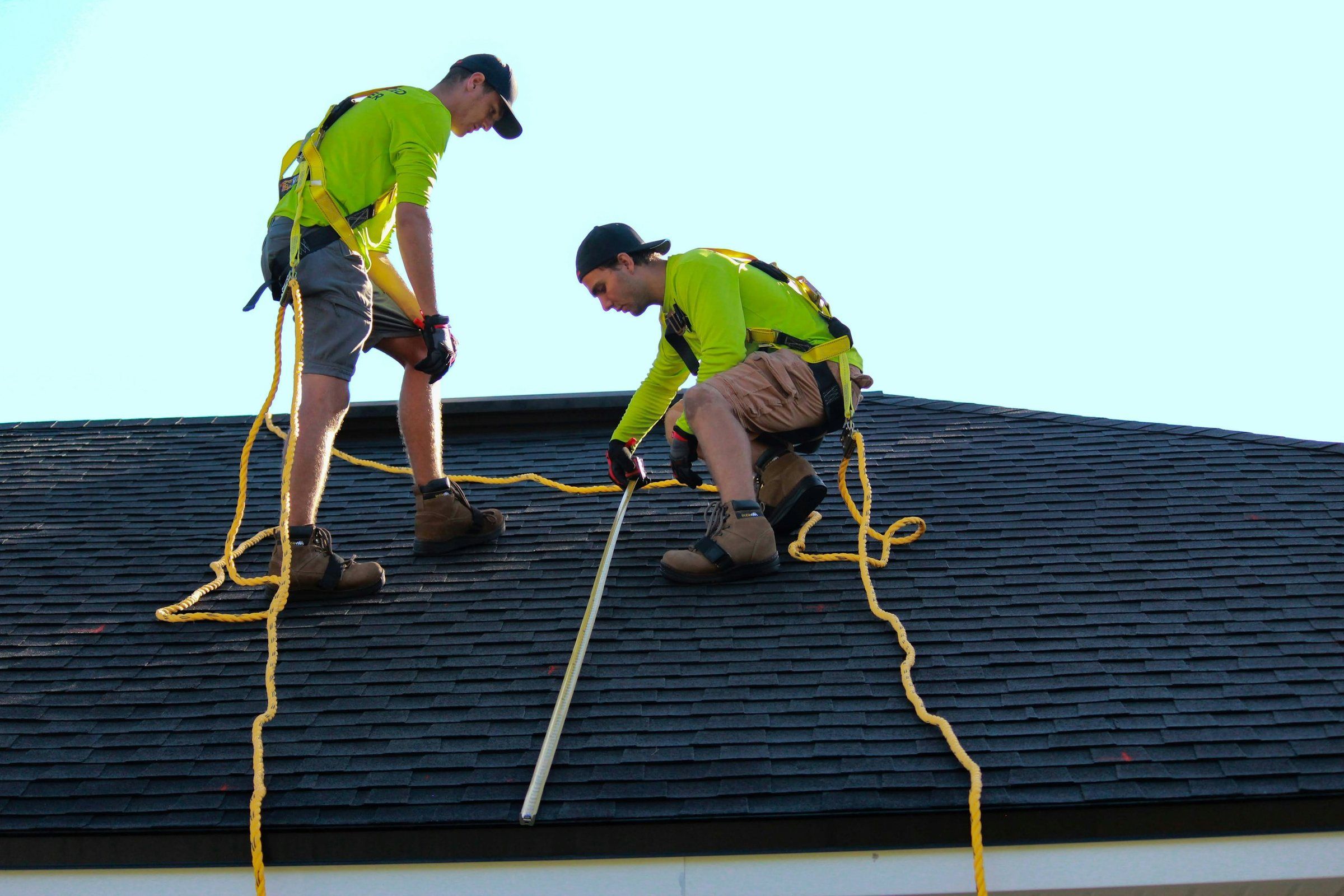
Roof Replacement in Chippewa Falls, WI
Full tear-off roof replacement for homes in Chippewa Falls and Chippewa County: old roofing off, decking checked board by board, ice and water protection where Wisconsin winters demand it, and a written price before we start.
Get a Roof Replacement Estimate
Call or text us and we will set up a time to look at your roof. Estimates and inspections are free.
Open 8am–6pm. Prefer email? info@chippewafallsroofingco.com
- Free roof replacement estimates
- Full tear-off down to the deck
- Asphalt shingle and metal options
When Patching Stops Making Sense
Nobody wants to replace a roof. It is a large purchase, it is loud, and for the twenty-odd years before it you barely thought about what was up there. So the first thing we do on any replacement call is check whether you need one at all. Plenty of roofs that look tired from the street have years left in them and a single problem that a roof repair will solve.
When a roof really is finished, though, more patching just moves the leak around. Shingles that have lost their granules and gone brittle do not reseal after a windy night, and underneath, the decking is slowly taking on water.
A roof replacement in Chippewa Falls has a harder job than the same roof a few states south. It carries snow for weeks at a stretch, deals with ice at the eaves, and goes through freeze-thaw swings every spring and fall. This page covers how to tell when it is time, what Wisconsin code allows, what a proper tear-off includes, your material choices, and what it costs.
Signs You Need a New Roof
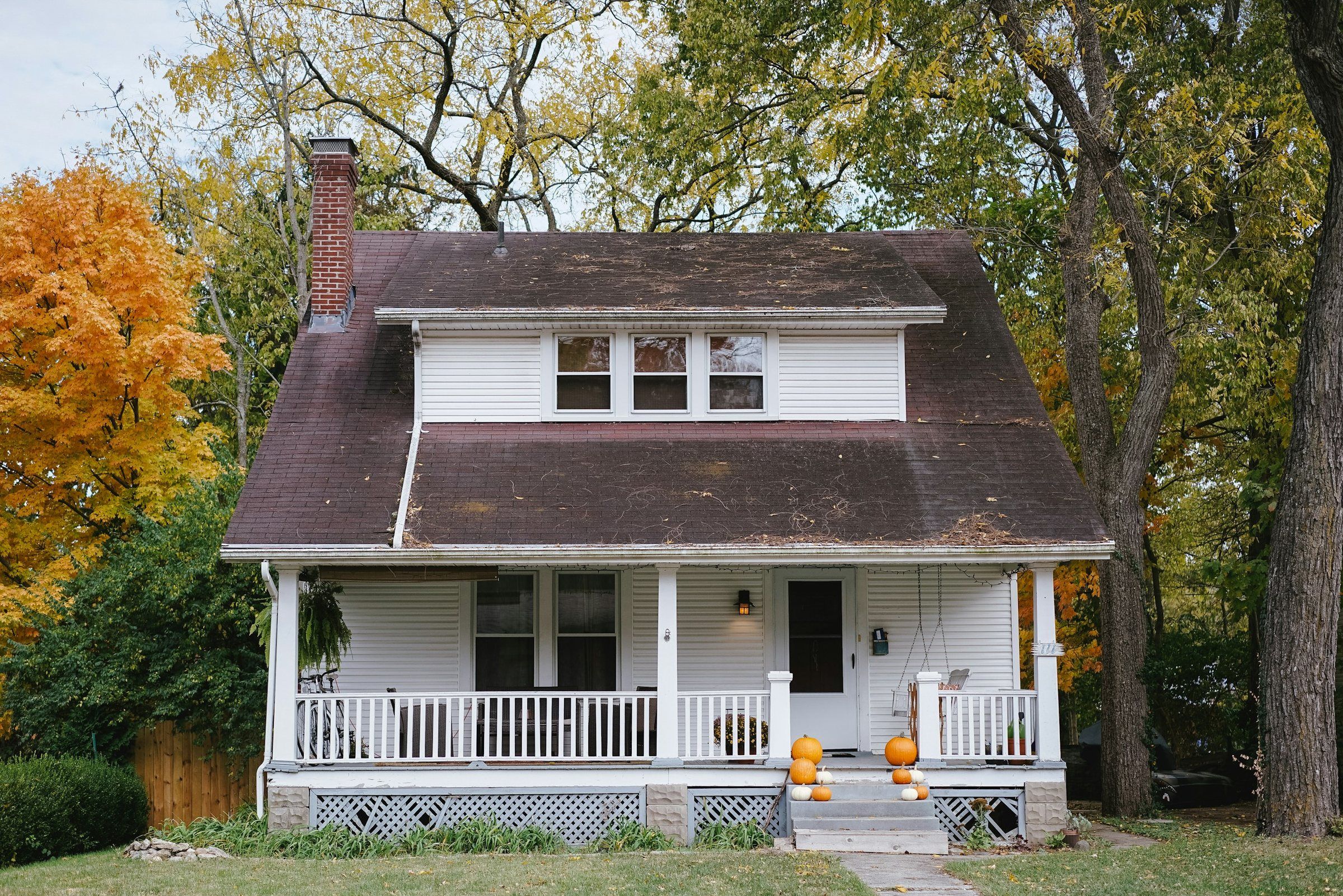
Age is a clue, not a verdict. A shaded north slope under trees can wear out long before a sunny south slope on the same house. These are the things we look for, and most of them you can spot yourself from the ground or from the attic hatch.
- Granule loss across whole slopes. Bare, dark patches on the shingles and piles of grit where the downspouts empty.
- Curling, cupping or cracking. Shingle edges that lift or tabs that have split mean the asphalt has dried out.
- Leaks in more than one place. One leak is a repair. Three unrelated leaks are a pattern.
- Soft spots or sagging between rafters. The decking underneath has been wet for a while.
- Daylight or dark stains in the attic. Check around the chimney, the plumbing vents and along the eaves.
- Moss holding water. Common on shaded roofs near Lake Wissota and along the river. Heavy moss lifts shingle edges and keeps them wet.
- Old repairs failing. Layers of roof cement around flashing are a sign the real fix was put off.
If a hail or wind storm did the damage rather than age, the conversation is different. Start with a storm damage roof inspection.
Tear-Off vs. Roof-Over: What Wisconsin Code Allows
A roof-over, also called a layover, means nailing new shingles on top of the old ones. It saves the labor and disposal cost of a tear-off, which is why it gets offered.
Wisconsin's Uniform Dwelling Code sets the limits. Under SPS 321.28, a new roof covering may not go over an existing roof that is water-soaked or deteriorated to the point that it is not a sound base, or over one that already has two or more applications of roofing. A lot of the older homes near downtown Chippewa Falls already carry two layers, so for them the question is settled before we get out of the truck.
Even where one more layer would be legal, we rarely recommend it. A layover hides the decking, so soft boards stay soft. It buries the old flashing instead of replacing it. It leaves no way to get ice and water membrane onto the deck at the eaves, where a Chippewa Valley roof needs it most. A full tear-off costs more on the day, and it is the only version of the job where someone actually looks at what your roof is sitting on.
What's Included in a Roof Replacement
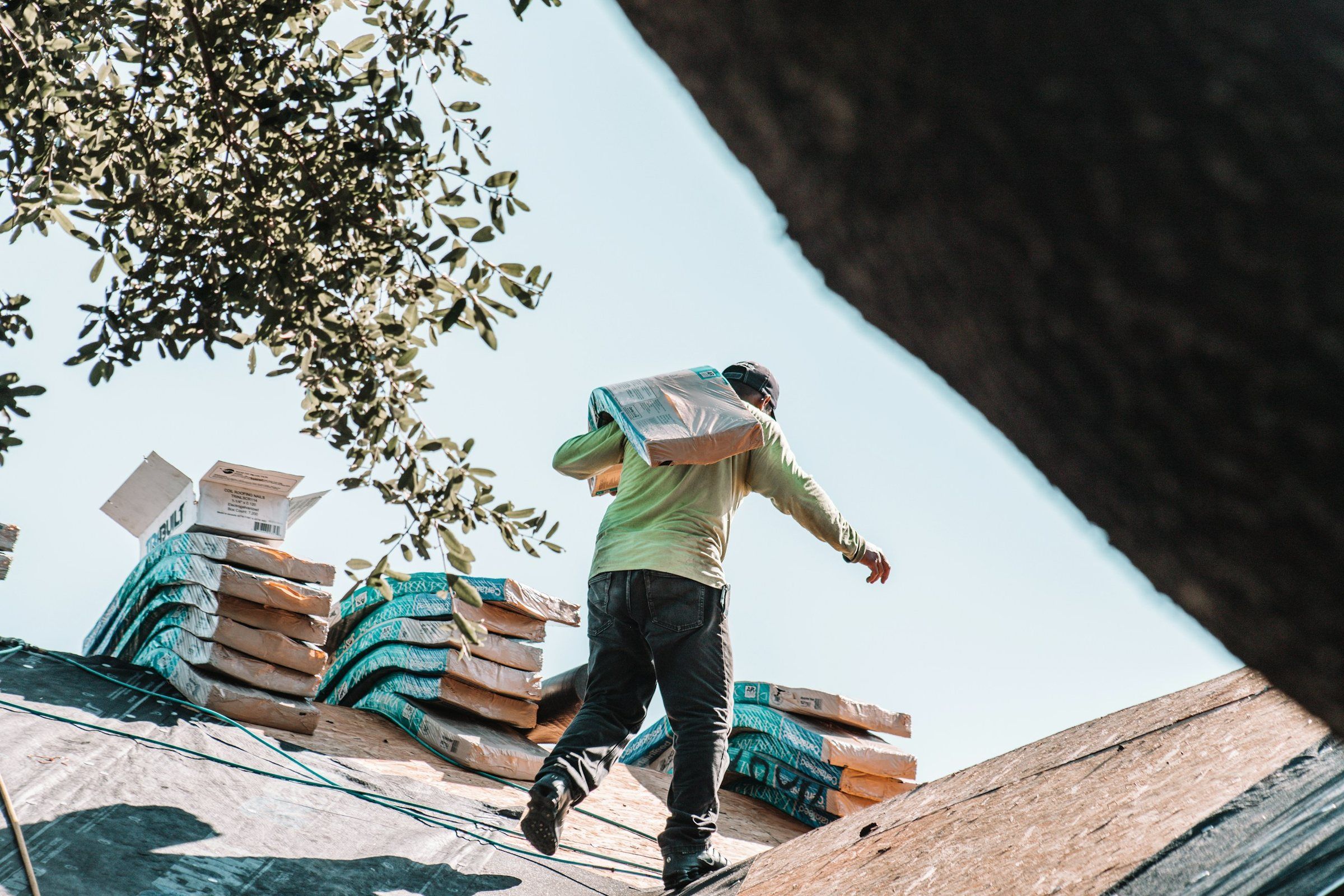
Two estimates for the "same" roof can differ by thousands because they are not describing the same work. This is what ours covers, and what you should look for on any roofer's paperwork.
Tear-off and decking
Every layer comes off down to the wood. On older Chippewa Falls houses that wood is often plank boards with gaps between them. On newer homes it is plywood or OSB sheets. We walk the whole deck, re-nail what has loosened, and replace boards or sheets that are rotted, delaminated or too soft to hold a nail. Decking replacement is priced per sheet or per foot in the estimate, so there is no guessing later.
Ice and water shield and underlayment
Ice and water shield is a self-adhering membrane that seals around the nails driven through it. The state code calls for ice dam protection on lower-slope shingle roofs over heated space, running at least 30 inches up from the roof edge and at least 12 inches past the inside face of the exterior wall. We treat that as a floor. On a house with deep overhangs, the membrane has to go further to reach that line. It also goes in the valleys and around chimneys, skylights and other penetrations. Synthetic underlayment covers the rest of the deck.
Flashing, drip edge and pipe boots
New drip edge at the eaves and rakes. New step flashing where the roof meets a wall. New flashing at the chimney, counter-flashed into the mortar joints, not smeared with sealant. New boots on the plumbing vents. Reusing thirty-year-old flashing under a new roof is the most common shortcut in the trade, and the first place a new roof leaks.
Attic ventilation
A roof needs air coming in low at the soffits and going out high at the ridge. When that balance is off, the attic runs warm in winter, which melts snow and feeds ice dams, and runs hot and damp in summer, which cooks shingles from below. With the roof open we can cut in a ridge vent, add intake, or remove a mix of vent types that are working against each other.
Shingle and Metal Roofing Options
Most replacements around here go back on with architectural shingles. Hail and long-term plans are the usual reasons to pick something else.
Architectural asphalt shingles
A laminated, two-layer shingle with a dimensional look. It is the standard choice on Chippewa Falls homes and the lowest installed cost of the three. Algae-resistant versions suit shaded and lakeside lots.
Class 4 impact-resistant shingles
A tougher shingle that carries the top rating in the UL 2218 impact test. Worth a look if your last roof was lost to hail, or if your insurer offers a discount for it. Ask your agent before you choose.
Standing seam and steel
Metal costs more up front, sheds snow readily and does not rely on a sealant strip. It suits simple roof shapes, low slopes that shingles struggle on, and owners planning to stay put.
Roof Replacement Cost and Timeline in Chippewa Falls
Roofs are priced by the square: 100 square feet of roof surface. The material is the first number, but rarely the one that surprises people.
$400 – $600per square · Architectural asphalt shingles
The roof on most Chippewa Falls homes. HomeGuide and HomeAdvisor both put architectural shingles at about $4 to $6 per square foot installed.
$500 – $1,200per square · Exposed-fastener steel panels
Screw-down ribbed steel, common on garages, pole barns and machine sheds, and on some homes. HomeGuide lists $5 to $12 per square foot installed.
$900 – $1,600per square · Standing seam metal
Concealed-fastener panels with raised seams. HomeGuide lists $9 to $16 per square foot installed.
$400 – $1,000per square · EPDM or TPO flat roofing
Single-ply membrane for flat and low-slope roofs. HomeGuide lists TPO at $4 to $10 per square foot installed and EPDM rubber at $3.50 to $10.
Ranges are national figures published by the cost guides HomeGuide and HomeAdvisor, converted to roofing squares (100 square feet of roof surface). They are typical ranges, not quotes. Your price depends on the roof itself, which is why we measure and inspect it before we quote.
What moves a real quote up or down from those ranges is mostly labor and what we find underneath. A steep or cut-up roof takes longer and needs more safety setup. A second layer doubles the tear-off and the dump fees. Decking repairs, chimney flashing, skylights and ventilation corrections are each their own line, and each one is written into the estimate so you can see what you are paying for.
On timing, plan on two separate waits. The first is the calendar: late summer and fall fill up, especially after a hail year. The second is the job itself, which for most houses is a few working days once materials are on site. We order to your color choice after you sign, confirm a start date, and call you if the forecast moves it.
Approximate Roof Cost Calculator
Pick a roof size and a material to see the typical installed range.
A rough range built from published national per-square figures (HomeGuide and HomeAdvisor), not a quote. A square is 100 square feet of roof surface. Pitch, tear-off layers, decking repairs and ventilation all change the real number, which is why we measure the roof before we price it.
How a Roof Replacement Works, Start to Finish
No vague scope and no surprises on the invoice. You know what is being done and what it costs before a shingle comes off.
-
Inspect and measure
We check the shingles, flashing, valleys, vents and the attic where we can reach it, measure the roof, and photograph what we find so you can see it for yourself.
-
Written estimate
Scope, materials, colors, decking rates and the total price on paper. If a repair would do the job instead, that option is on the page too.
-
Tear off, install, clean up
Old roofing off, deck repaired, membrane, flashing and new roofing on, one section at a time so the house stays dry. Then debris hauled and magnets run for nails.
Roofing Permits in Chippewa Falls
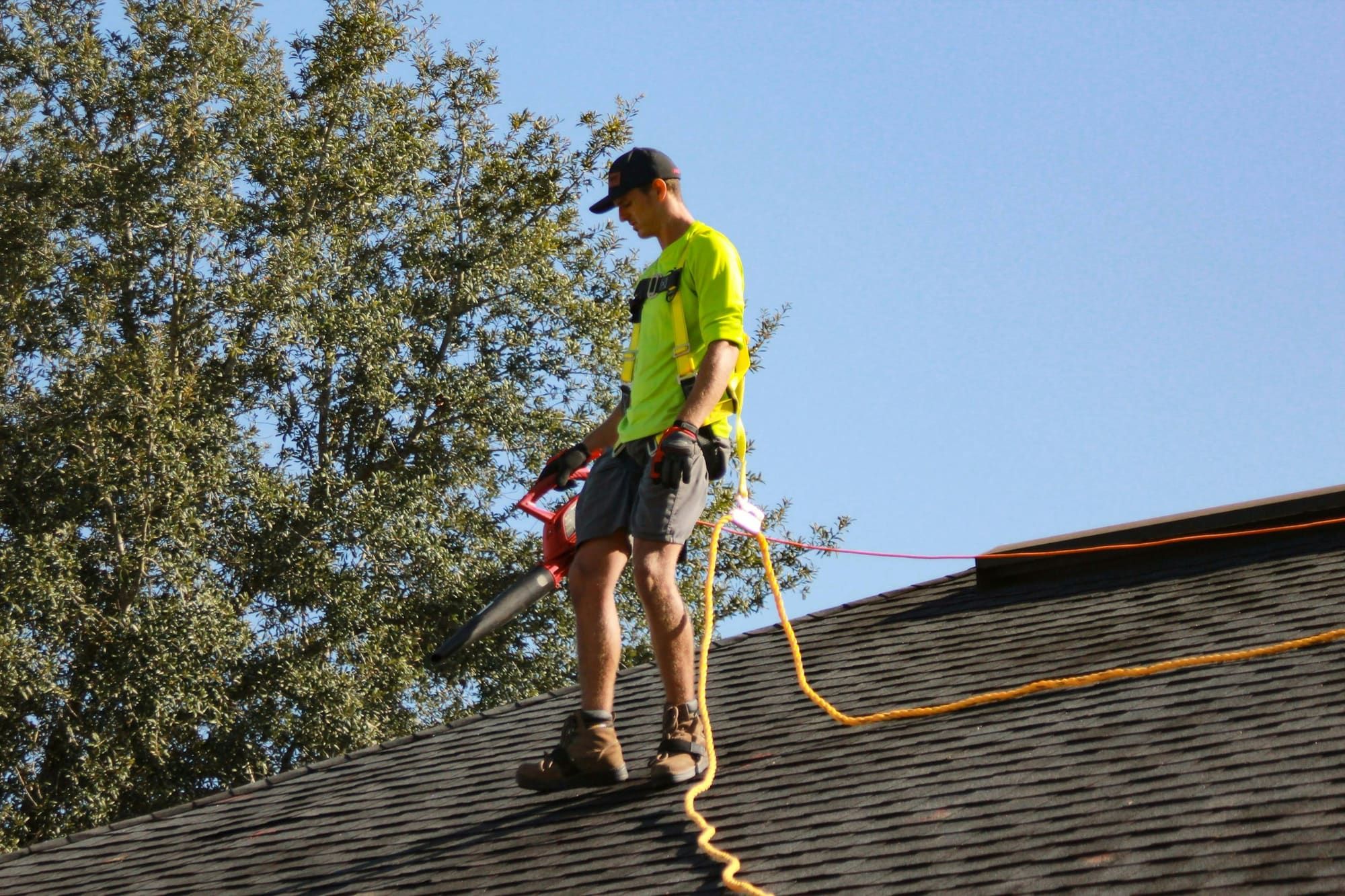
Inside the city limits, a re-roof is not a job you do quietly. The City of Chippewa Falls Inspection and Zoning office says replacements such as windows, siding and roofing require a building permit unless the estimated project value is less than $2,000. Any full roof replacement clears that figure.
Outside the city, it depends on where you are. Lake Hallie, Bloomer, Cadott and the rural towns each handle building permits their own way. Before we schedule, we check with the office that covers your address and tell you what is required.
If the replacement follows a storm, your insurer decides coverage; our hail and storm damage page explains how that works. Ready to talk through your roof? Request a free roof estimate.
Roof Replacement Questions Chippewa Falls Homeowners Ask
How long does a roof replacement take?
Once the crew starts, a simple walkable roof on a ranch or a two-story is usually a matter of days rather than weeks. Steep roofs, roofs with a lot of dormers and valleys, and roofs with two layers to tear off take longer. Weather is the part nobody controls: we do not open up more roof than we can make watertight before rain. Your written estimate gives an expected duration for your house.
Can you replace a roof in winter in Chippewa Falls?
Sometimes. Asphalt shingles rely on a strip of sealant that needs warmth and sun to bond, and cold shingles are brittle to handle, so most shingle manufacturers call for extra care in cold weather. If a roof is failing in January we can often make it watertight and plan the full job for a stretch of milder weather. If it can wait until spring, that is usually the better plan, and we will tell you so.
What happens if you find rotted decking after the old roof comes off?
We stop and show you. Soft, delaminated or rotted sheathing cannot hold nails, so it has to be replaced before anything goes over it. Nobody can see every board until the old roofing is off, so the estimate lists a price per sheet or per foot for decking replacement up front. You see the damage and the count before the new boards go down.
Do I have to be home while the roof is replaced?
No, but we need a way to reach you. Expect a noisy day or two. Before we start it helps to move cars out of the driveway and garage, take down loose items from walls and shelves on the top floor, and keep kids and pets away from the eaves, where debris comes down.
Will a new roof stop my ice dams?
It helps, but shingles alone do not cure ice dams. A replacement lets us put ice and water membrane at the eaves and valleys and correct the intake and exhaust venting, which limits the damage and reduces the melting. The heat that starts the problem comes from the house, so air sealing and attic insulation matter just as much. We will tell you what we see from the attic side.
Does a roof replacement need a permit in Chippewa Falls?
Inside the city, usually yes. The City of Chippewa Falls Inspection and Zoning office says replacements such as windows, siding and roofing require a building permit unless the estimated project value is under $2,000, and a full roof is well over that. Villages and towns outside the city limits have their own rules, so we check what applies to your address before work starts.
Will my homeowners insurance pay for a new roof?
Insurance generally covers sudden damage from something like hail, wind or a fallen tree, not a roof that has simply worn out. Whether a particular loss is covered, and for how much, is decided by your insurer under your policy. We can inspect the roof, document what we find with photos and give you a written estimate to share with your adjuster.
Choosing a material? Compare asphalt shingle roofing with standing seam and steel metal roofing.
Roof Replacement Across Chippewa County
We replace roofs in Chippewa Falls and in the towns around it, from the Lake Hallie subdivisions to farmhouses out past Cadott and Bloomer.
That means Chippewa Falls, Lake Hallie, Lake Wissota, Bloomer, Cadott and Jim Falls, and the farms, lake roads and smaller communities of rural Chippewa County in between. If you are not sure whether you are in range, call or text and ask.
Related Roofing Services
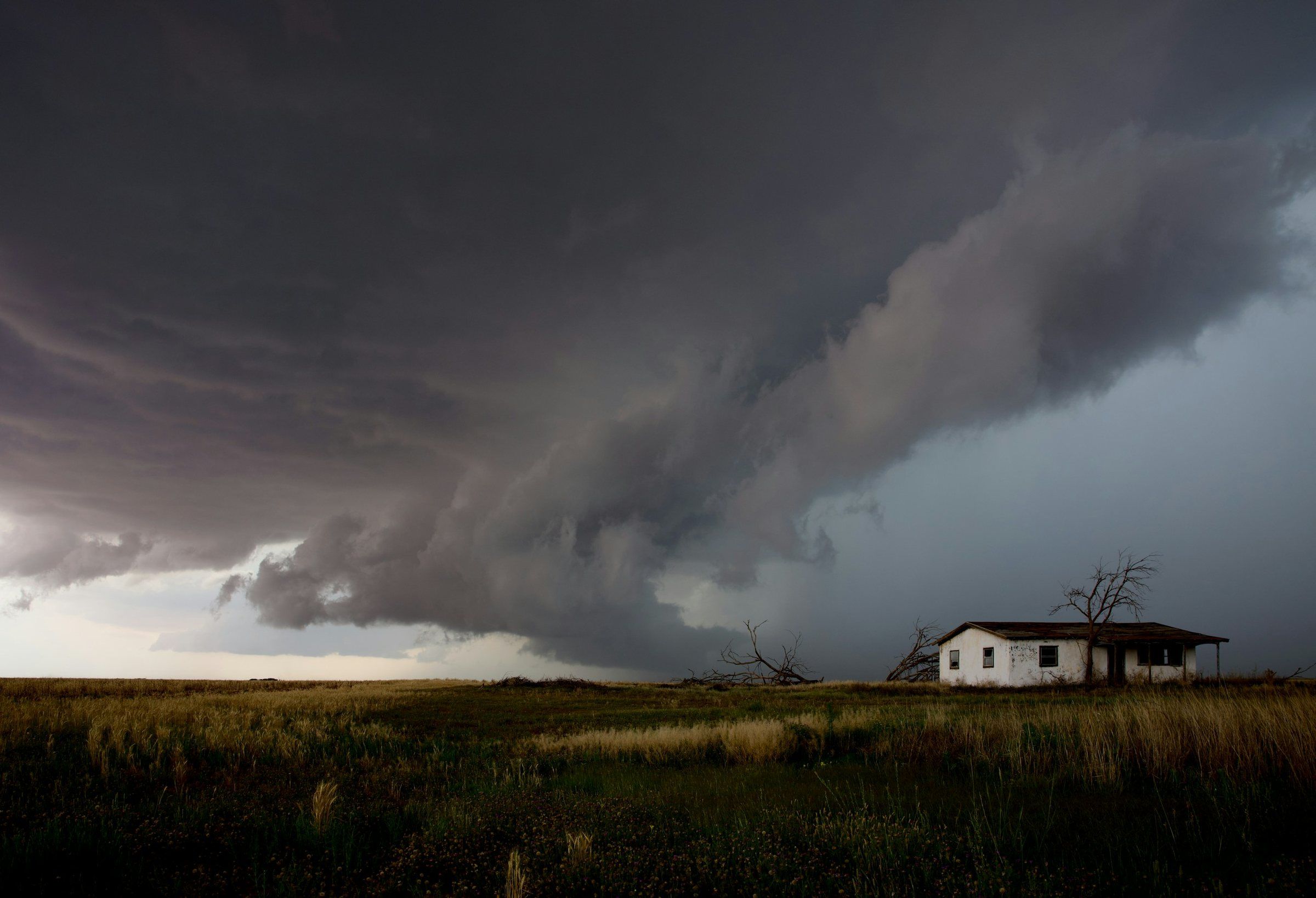
Hail & Storm Damage
Free hail and wind damage inspections with photos you keep, and a plain answer on whether it is storm damage or normal wear.
Explore storm damage repair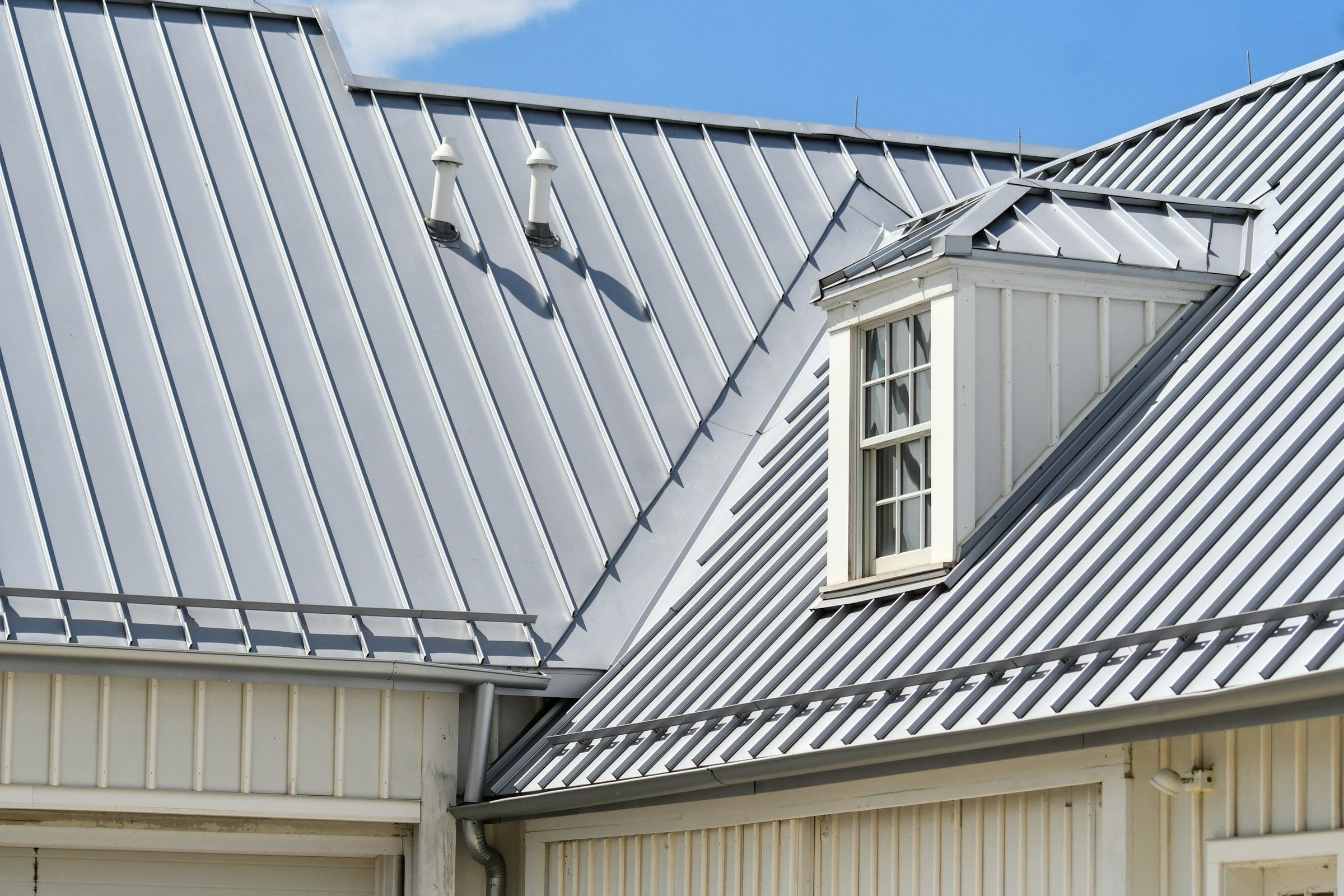
Metal Roofing
Standing seam and exposed-fastener steel for homes, garages, pole barns and machine sheds, detailed for snow and ice.
Explore metal roofing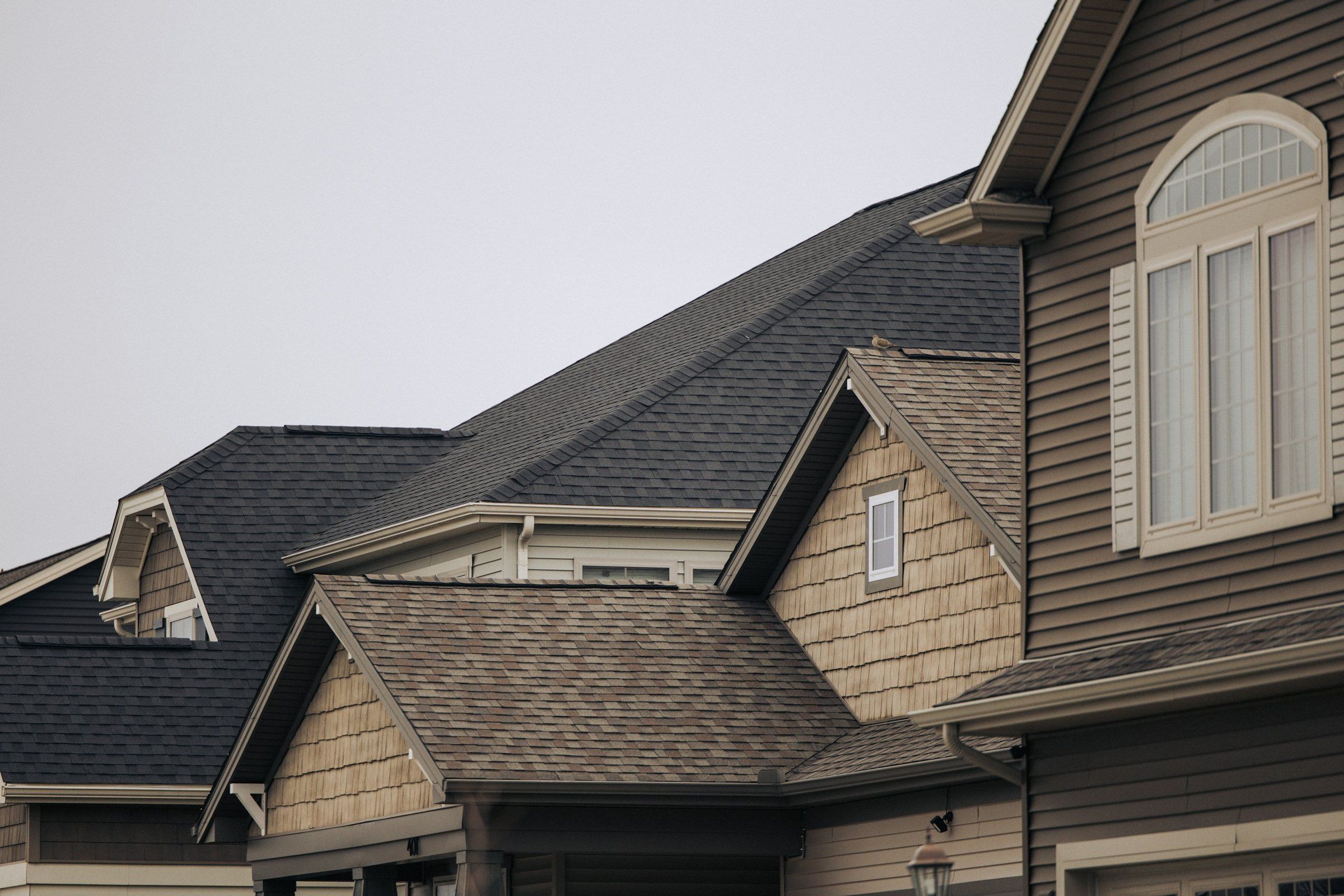
Asphalt Shingle Roofing
Architectural and Class 4 impact-resistant shingles, with algae-resistant options for shaded and lakeside roofs.
Explore shingle roofingFind Out What Your Roof Actually Needs
We will get on the roof, show you photos of what we find, and give you a written price for a replacement only if it needs one.