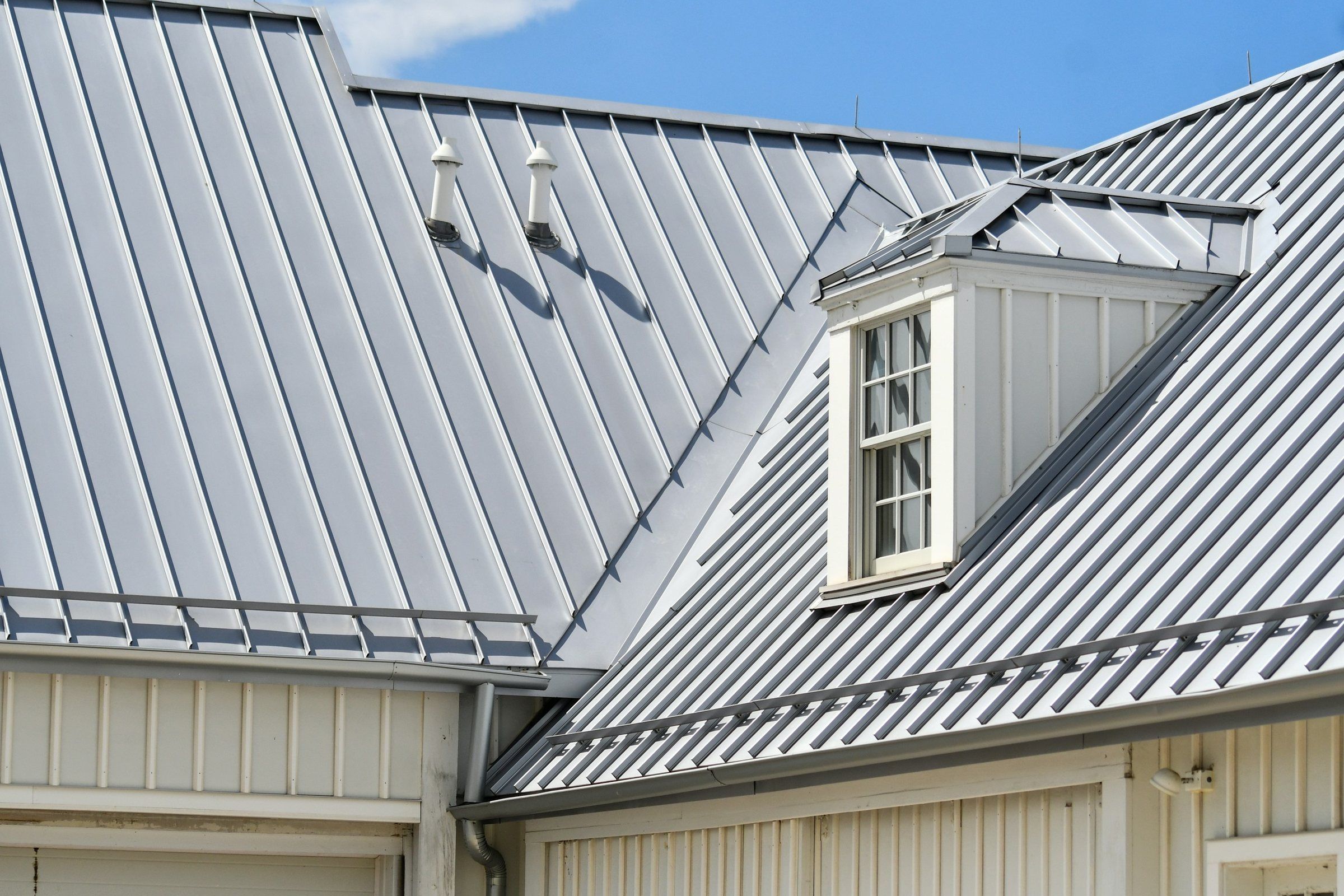
Metal Roofing in Chippewa Falls, WI
Steel roofs for homes, garages, pole barns and machine sheds in Chippewa Falls and across Chippewa County, with concealed or exposed fasteners, detailed for snow, ice and wind.
Get a Metal Roofing Estimate
Tell us what's going on with your roof and we'll call you back.
- Free metal roofing estimates
- Concealed- and exposed-fastener steel
- Homes, garages, pole barns & sheds
Metal Roofing in Chippewa Falls: Built for Snow Country
Drive ten minutes out of Chippewa Falls in any direction and you will see more steel than shingles. Farmhouses, pole barns, machine sheds and cabins have worn metal roofs here for generations, for a simple reason: it handles snow.
Snow slides off a metal roof instead of sitting for six weeks. There is no sealant strip to fail in the cold and no granules to wear away. A steel roof is light, which matters when the structure also has to carry a Wisconsin winter. Homeowners in town choose it for the same reasons, and because they would rather not buy another roof.
Metal is not automatically the right choice, and the two main systems are very different products at very different prices. This page sorts out which is which, where each belongs, what snow does on a metal roof, and how metal compares with shingles.
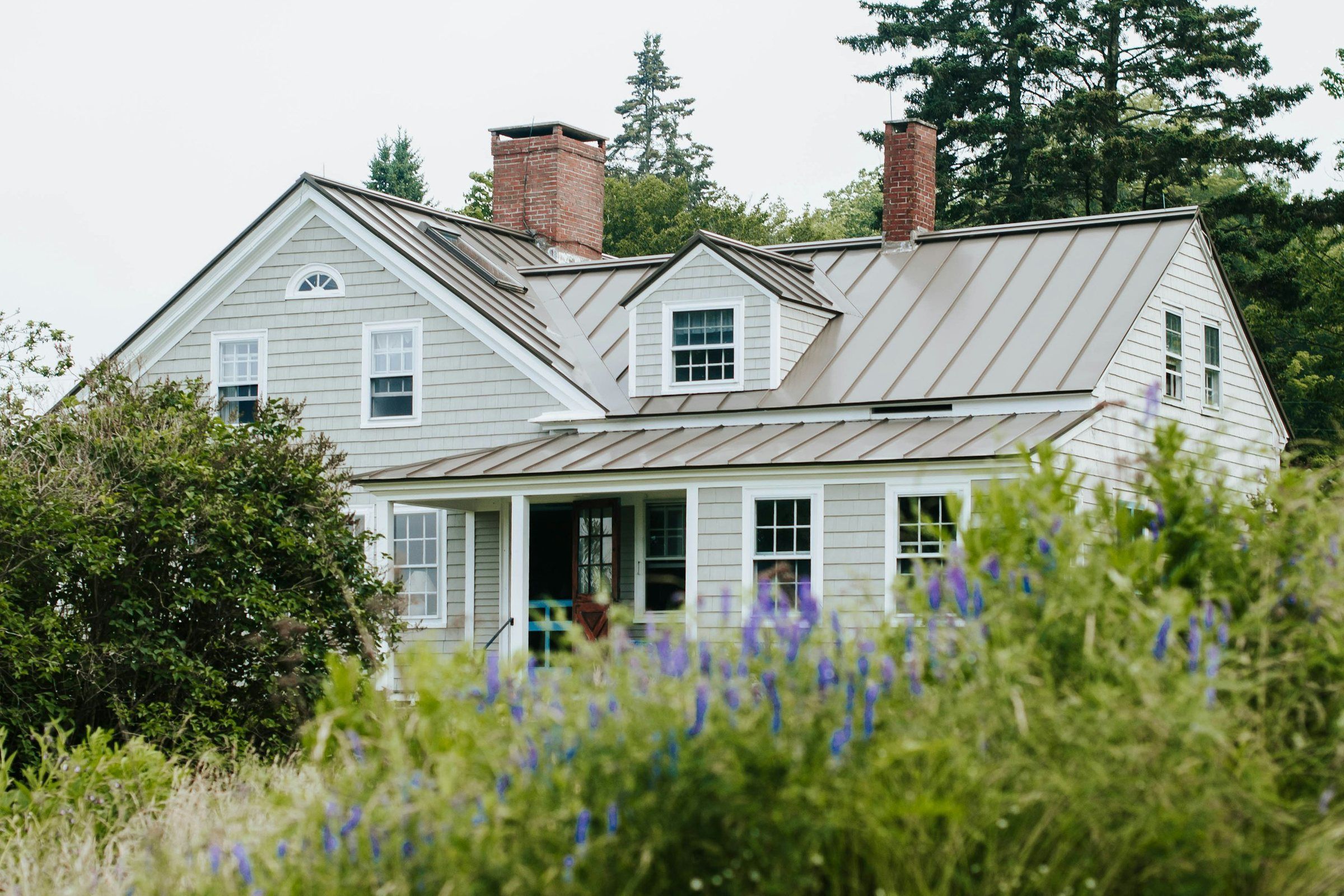
Metal Roofs for Houses vs. Outbuildings: How Each System Is Fastened
Both are steel. The difference is how they are held down, and that decides almost everything else, including whether the system suits a house or a shed.
Concealed-fastener panels
Smooth panels joined at raised seams, held by fasteners the next panel covers, so no screw goes through the face of the roof. This is standing seam.
- Nothing exposed to sun and frost that will need re-screwing.
- Clean, modern lines that suit houses.
- Higher material cost and slower, more skilled installation.
Seam types, clips, gauge and finish are on our standing seam metal roofing page.
Exposed-fastener steel
Ribbed panels overlap at the edges and are screwed straight through the face into the framing or deck. Each screw has a rubber washer that seals the hole. This is the classic pole barn roof.
- Goes on fast and costs considerably less.
- Ideal for sheds, garages, barns and simple gable roofs.
- Thousands of fasteners are exposed. Washers age and screws can back out with seasonal movement.
- Plan on having the fasteners inspected, and replaced as needed, over the roof's life.
Either system can go on a house. On a home you plan to keep, the concealed-fastener roof usually earns its price. On an outbuilding, screw-down steel is hard to beat.
Leaving the Shingles On Under Steel: A Short Answer
Wisconsin's code lets new roofing go over one sound layer of shingles, so on many houses steel can legally go on top. Whether it should depends on what nobody can see from above: the deck, the old flashings and the attic.
The code wording, furring strips against fastening straight to the deck, old shingles showing through the panels and condensation under the steel are all covered on our page about installing a metal roof over shingles.
If there is any sign of a past leak, sagging or two layers already, we recommend taking it down to the wood. A full tear-off roof replacement costs more on the day and tells you the truth about the structure a long-lived roof is going onto.
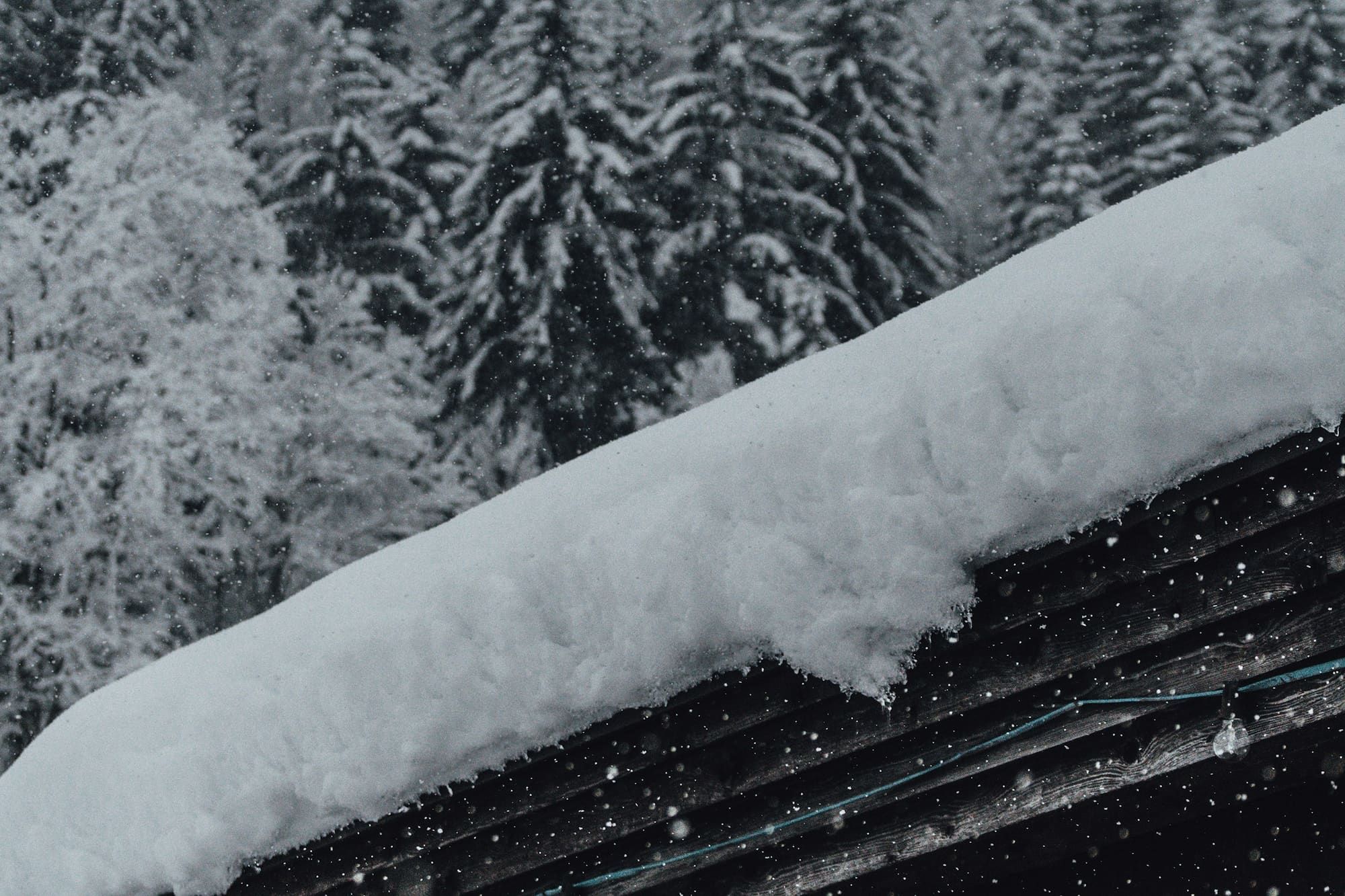
Sliding Snow and Snow Guards on Metal Roofs
Shedding snow is metal's best feature and its one real hazard. When the sun warms the panel, the whole blanket can let go at once and come down as a slab.
Snow guards manage that. They are small cleats or continuous rails fixed near the eaves that hold the snow in place so it melts off gradually or drops in smaller pieces. On standing seam they clamp to the seams without piercing the panel. On screw-down panels they fasten through the ribs into the framing.
We plan for snow when we design the roof, not after the first slide:
- Guards above entries, garage doors, decks, walkways and meter locations.
- Protection for lower roofs and plumbing vents in the path of a slide, which can be sheared off.
- High-temperature ice and water membrane at eaves and valleys on heated buildings.
- Closed and sealed panel ends, ridge and trim so wind-driven snow stays out of the attic.
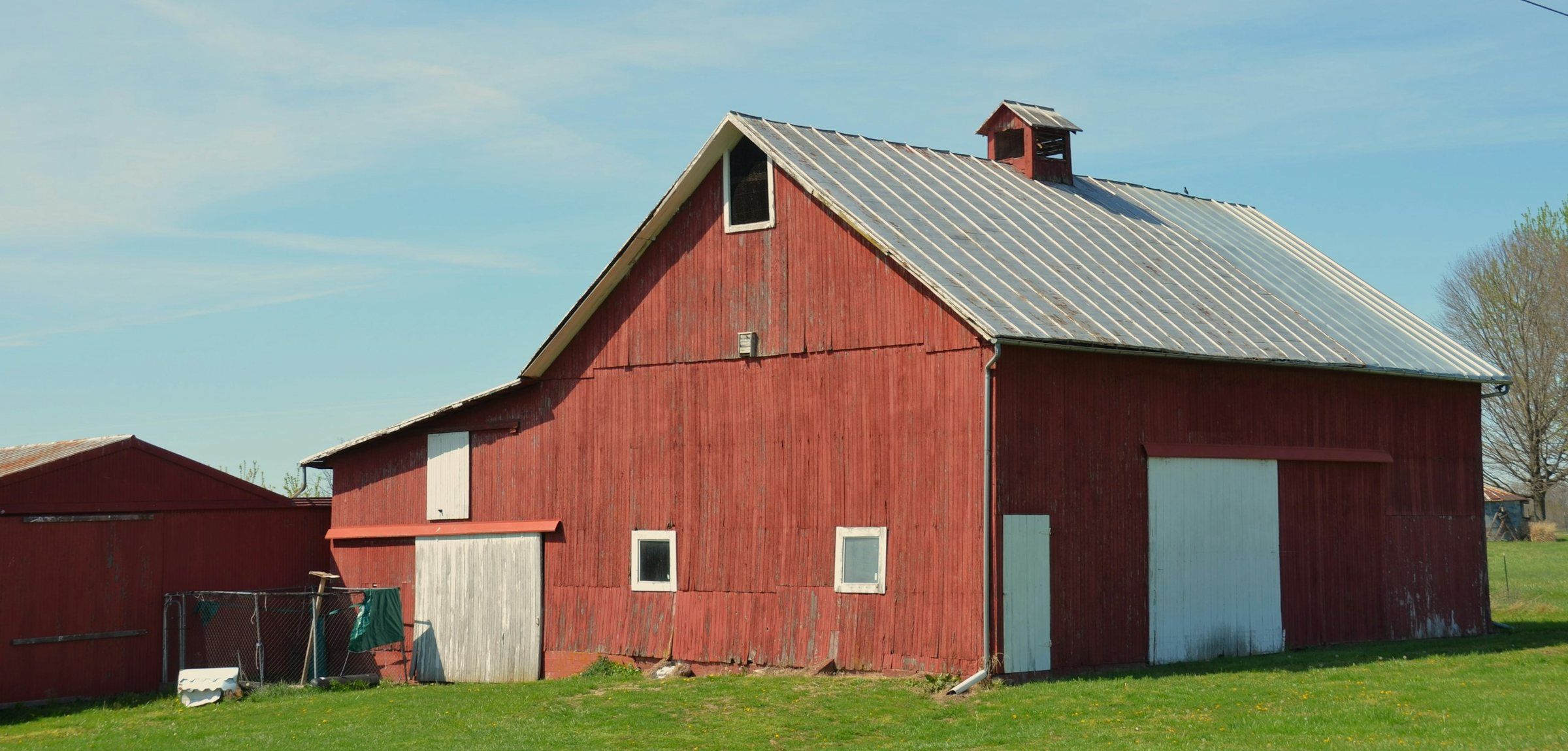
Metal Roofing for Sheds and Outbuildings in Chippewa County
Around Bloomer, Cadott, Jim Falls and the townships in between, a lot of our metal work is on buildings nobody lives in. They matter just as much. A leaking shed roof is rusting equipment and spoiled hay.
Outbuildings are a different job from a house roof. Panels usually screw to wood purlins over open framing, with no deck underneath, so the framing, the screws and the moisture inside the building decide what the roof needs. Re-sheeting, purlin checks, panel gauge and drip-stop backing are covered on our pole barn roofing page.
If the panels are sound and only the screws or a few sheets have failed, that is a fix, not a new roof, and it is on our metal roof repair page. Larger farm, shop and warehouse buildings, and any building with a flat or very low-slope section, are covered on our commercial roofing page.
Metal Roof Cost in Chippewa Falls
Metal is priced by the square, 100 square feet of roof surface, like any other roofing. The two systems sit in very different ranges, and exposed-fastener steel comes in well under standing seam.
Roof shape matters more with metal than with shingles. Every hip, valley, dormer and skylight means custom-cut panels and trim, so a simple gable is far cheaper per square than a cut-up roof. Panel thickness, paint finish, tear-off and snow guards all move the number.
The published per-square ranges for both systems, and how they compare with shingles over the life of the roof, are in our roof replacement cost guide. For your own building, we measure and price the panel system, trim and tear-off in writing before you decide anything.
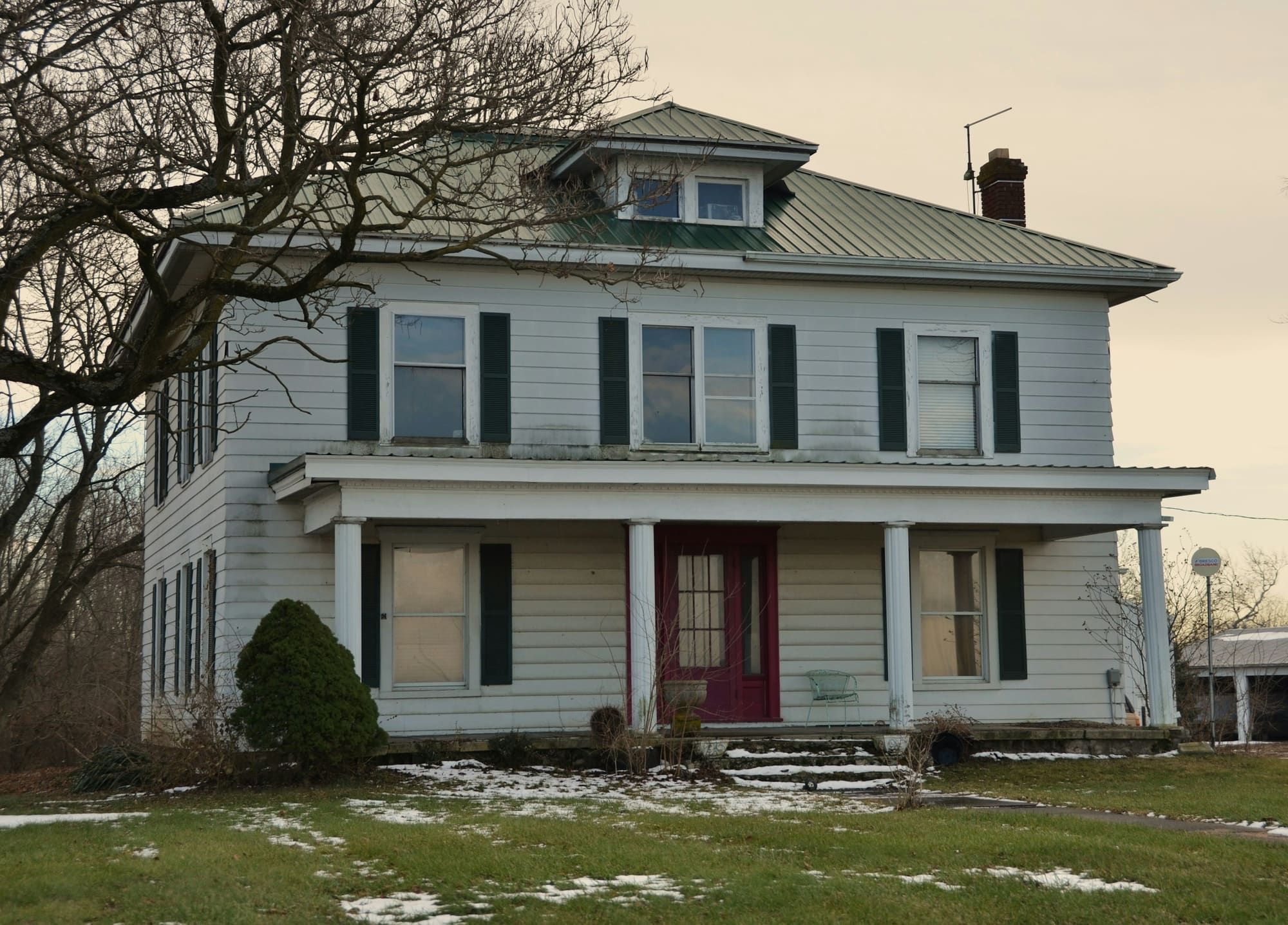
Metal vs. Shingles: Pros and Cons for Your House
Neither is better in the abstract. They suit different houses, budgets and plans.
Metal tends to win when you plan to stay a long time, the roof is a simple shape, the slope is on the low side for shingles, the house sits under trees that keep shingles damp, or you are tired of ice at the eaves.
Shingles tend to win when the budget is the deciding factor, you may sell within several years, the roof is full of hips, valleys and dormers, or the look of the neighborhood matters to you. In the published national ranges, architectural shingles sit well below standing seam.
There is a middle path too. Stamped steel panels are made to look like shingles, slate or shake, for people who want metal without the standing-seam look. They cost more than ribbed panels and install more like standing seam.
If you are leaning the other way, see our asphalt shingle roofing page. We are happy to price both on the same estimate so you can compare. Ask for a metal and shingle comparison quote.
How a Metal Roofing Job Works
-
Measure every panel run
We measure every panel run, check the decking or purlins, note the slope, and look at where sliding snow will land. Photos included.
-
Written panel-by-panel estimate
Panel type, thickness, color, trim, snow guards and tear-off or overlay, each spelled out with the price. Panels are ordered to length for your building.
-
Panels, trim and clean-up
Underlayment and membrane, panels, trim and guards go on in sequence. Offcuts and old roofing are hauled away, and we sweep for screws and metal filings.
Metal Roofing FAQ: Noise, Rust, Hail Dents, Lifespan and Snow Guards
Is a metal roof loud when it rains?
On a house, much less than people expect. A metal roof installed over solid decking, underlayment and an insulated attic sounds about like any other roof from inside. The drumming people remember comes from open-framed buildings such as pole barns, where the panel is the only thing between you and the rain.
Do metal roofs get ice dams?
They are less prone to them, because snow slides off before much can melt and refreeze, and there are no shingle laps for backed-up water to creep under. They are not immune. A warm attic can still build ice at a cold eave, in a valley or behind a chimney. Attic air sealing, insulation and ventilation matter under metal just as they do under shingles.
Will a metal roof rust?
Modern steel roofing is coated with zinc or a zinc-aluminum alloy and then painted, so the steel itself is protected. Rust starts where that protection is broken: cut edges left raw, scratches, panels in contact with treated lumber or standing debris, and around worn fasteners. Careful installation and keeping valleys and panel ends clear go a long way.
Can I walk on a metal roof?
It can be walked on with care when it is dry, by someone who knows where to step for that panel profile. It is very slick when wet, frosty or dusted with snow, and a careless step can dent a rib. For anything beyond a look from a ladder, we would rather you called us.
Does hail damage metal roofing?
Large hail can dent steel panels, more visibly on flat-pan standing seam than on ribbed or textured profiles. Dents are usually cosmetic and the roof stays watertight. Some insurance policies treat cosmetic damage to metal roofs differently from functional damage, so it is worth asking your agent how yours is written before you choose.
How long does steel roofing last compared with shingles?
Longer, as a rule, which is the main argument for its higher price. How much longer depends on the system. Standing seam, with its fasteners hidden from the weather, has the fewest parts that age. Exposed-fastener steel lasts well too, but the screws and their washers need checking and periodic replacement. Manufacturers publish their own product warranties, and the terms vary by panel and paint finish.
Do I need snow guards on a metal roof?
Over doors, walkways, decks, driveways and lower roofs, we strongly recommend them. Snow releases from metal in sheets, and a slide off a two-story roof is heavy enough to injure someone or flatten what is below. Over a back lawn or on a barn roof that sheds into an open yard, they may not be needed. We lay them out for where people and property actually are.
Still weighing steel against shingles? Compare with asphalt shingle roofing, from standard architectural lines to impact-rated ones.
Metal Roofing Across Chippewa County
From houses in town to machine sheds off Highway 27, these are the areas where we install and repair metal roofs.
That means Chippewa Falls, Lake Hallie, Lake Wissota, Bloomer, Cadott and Jim Falls, and the farms, lake roads and smaller communities of rural Chippewa County in between. If you are not sure whether you are in range, call or text and ask. We are a Chippewa Falls roofing company, and every job starts with a look at the roof.
Thinking About a Metal Roof? Have the Building Measured First.
We will measure the building, talk through panel options and give you a written price, with a shingle comparison if you want one.