Hail and Storm Damage Roof Repair in Chippewa Falls, WI
After hail or high wind in Chippewa Falls, we inspect the roof for free, show you dated photos of what we find, and tell you straight whether it is storm damage or ordinary wear.
Request a Storm Damage Inspection
Call or text us and we will set up a time to look at your roof. Estimates and inspections are free.
Open 8am–6pm. Prefer email? info@chippewafallsroofingco.com
- Free hail and wind damage inspections
- Dated photos you keep
- Written repair or replacement estimate
Summer Storms in the Chippewa Valley Are Hard on Roofs
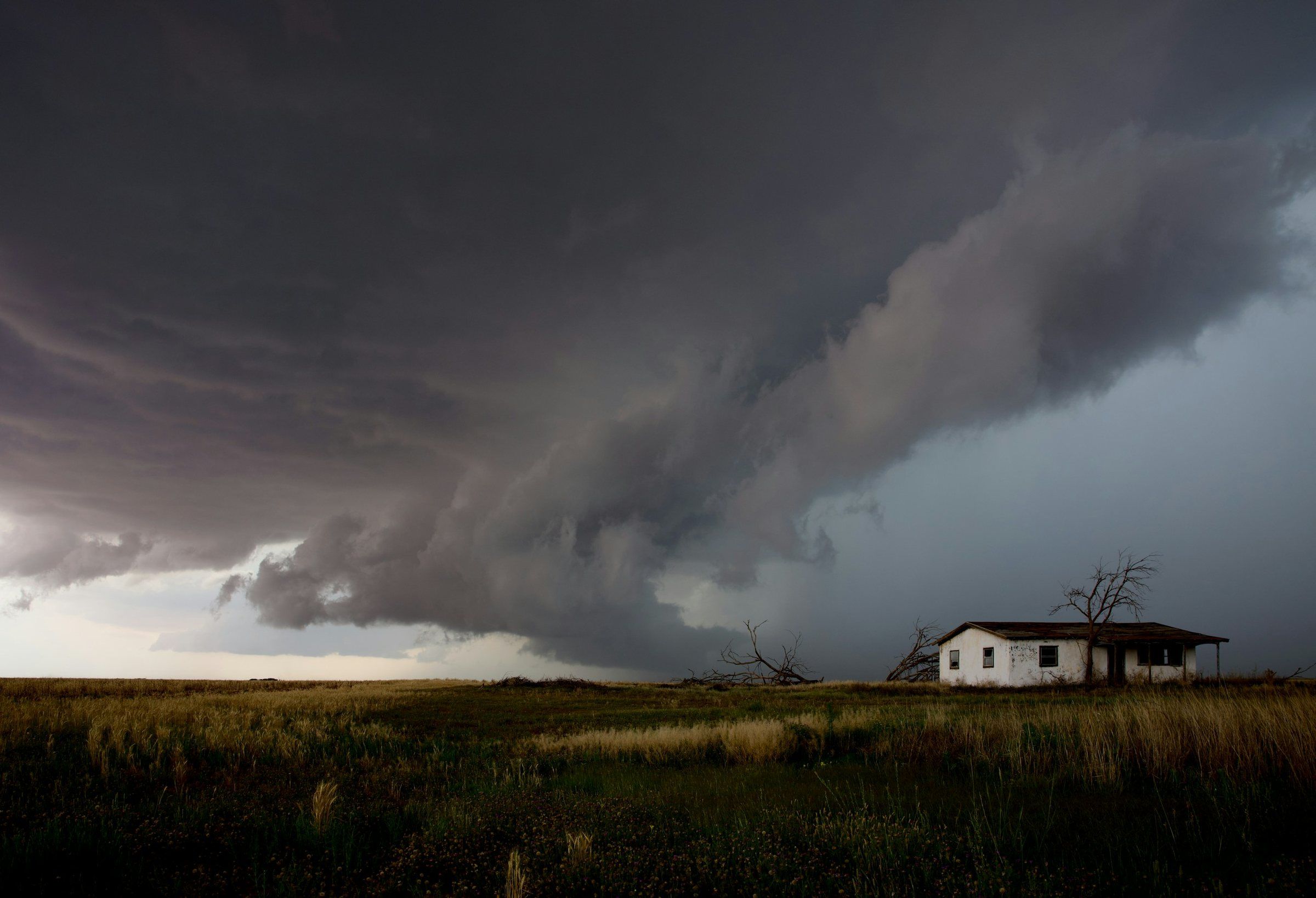
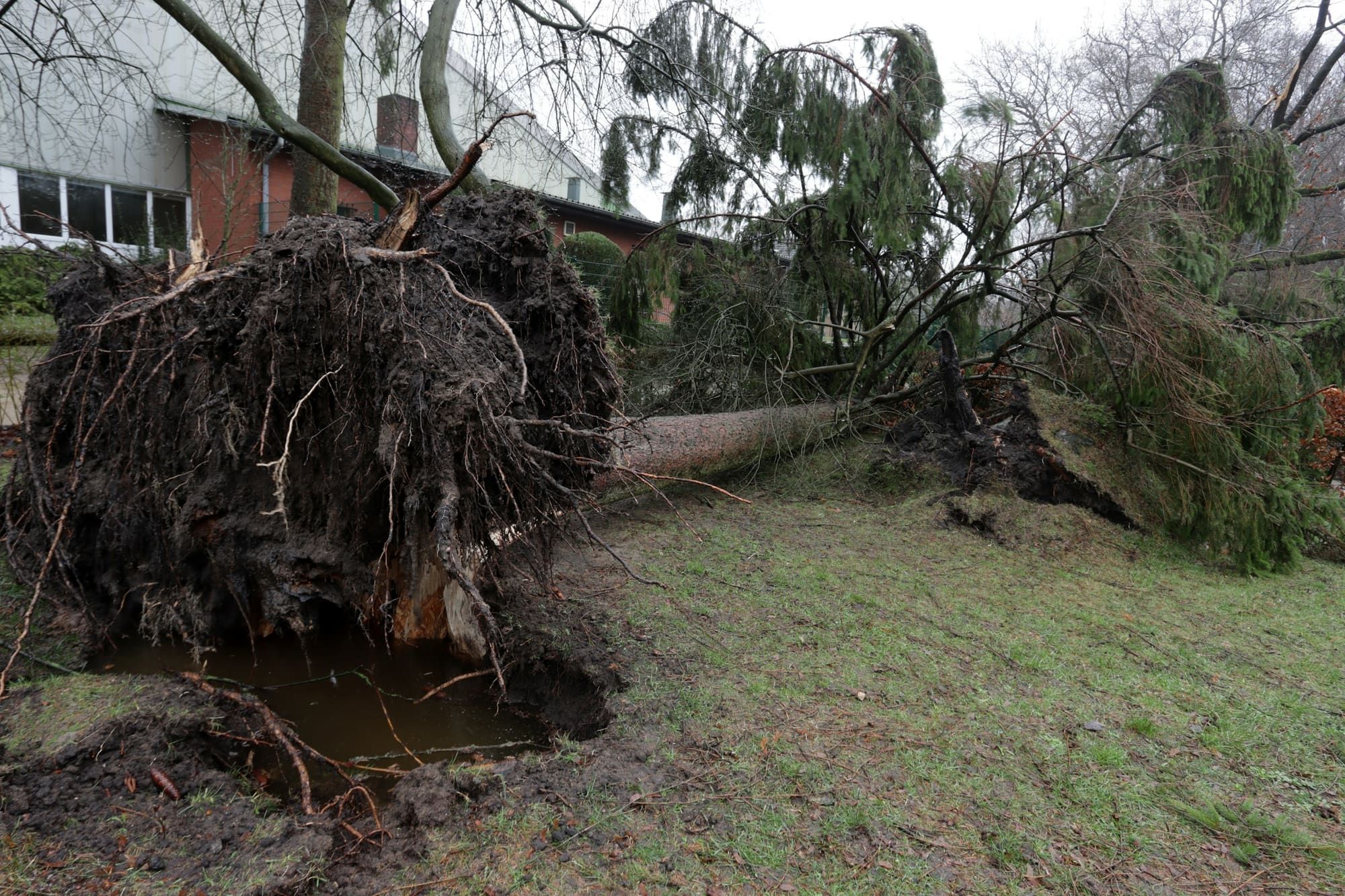
From late spring into early fall, thunderstorms roll across the Chippewa Valley from the west. Some bring hail. Some bring straight-line winds strong enough to bring down limbs and whole trees. Most pass in twenty minutes and leave every roof on the street looking the same as it did before.
That is the difficulty with storm damage: the roof that lost a ridge cap is obvious, but hail bruising is not. A roof can take a beating, show nothing from the driveway, and begin leaking a year or two later when the damaged shingles finally give out.
This page explains what hail and wind actually do to a roof, what our storm damage inspection covers, how an insurance claim works in Wisconsin and what a roofer is and is not allowed to do in that process. If water is coming in right now, skip ahead to emergency roof repair and tarping.

Signs of Hail and Wind Damage on a Roof
Hail damage
Hail does not usually punch holes in a shingle roof. It bruises it. Each impact crushes the granules into the asphalt or knocks them off, and can crack the fiberglass mat underneath. The exposed asphalt then weathers quickly.
- Round, dark spots on the shingles with granules missing, in a random pattern across the slope.
- Dents in roof vents, flashing, chimney caps and other soft metal.
- A sudden wash of granules at the bottom of the downspouts.
- On metal roofs, dimpling of the panels. That is often cosmetic, but dents at seams and fasteners deserve a closer look.
Wind damage
Wind works on the edges. It gets under the shingles at the eaves, rakes and ridge, breaks the sealant strip and folds the tabs back.
- Shingles or ridge caps missing, or lying in the yard.
- A horizontal crease across a tab where it folded and dropped back.
- Shingles that look flat but have come unsealed and lift when handled.
- Flashing or drip edge pulled loose, and limb strikes from nearby trees.
What you can check safely
Walk the yard and look up. Check the metal, the screens, the siding on the windward side and the attic for fresh stains. Please stay off the roof. A storm-damaged roof is a poor place to learn to walk on one.
Free Storm Damage Roof Inspections in Chippewa Falls
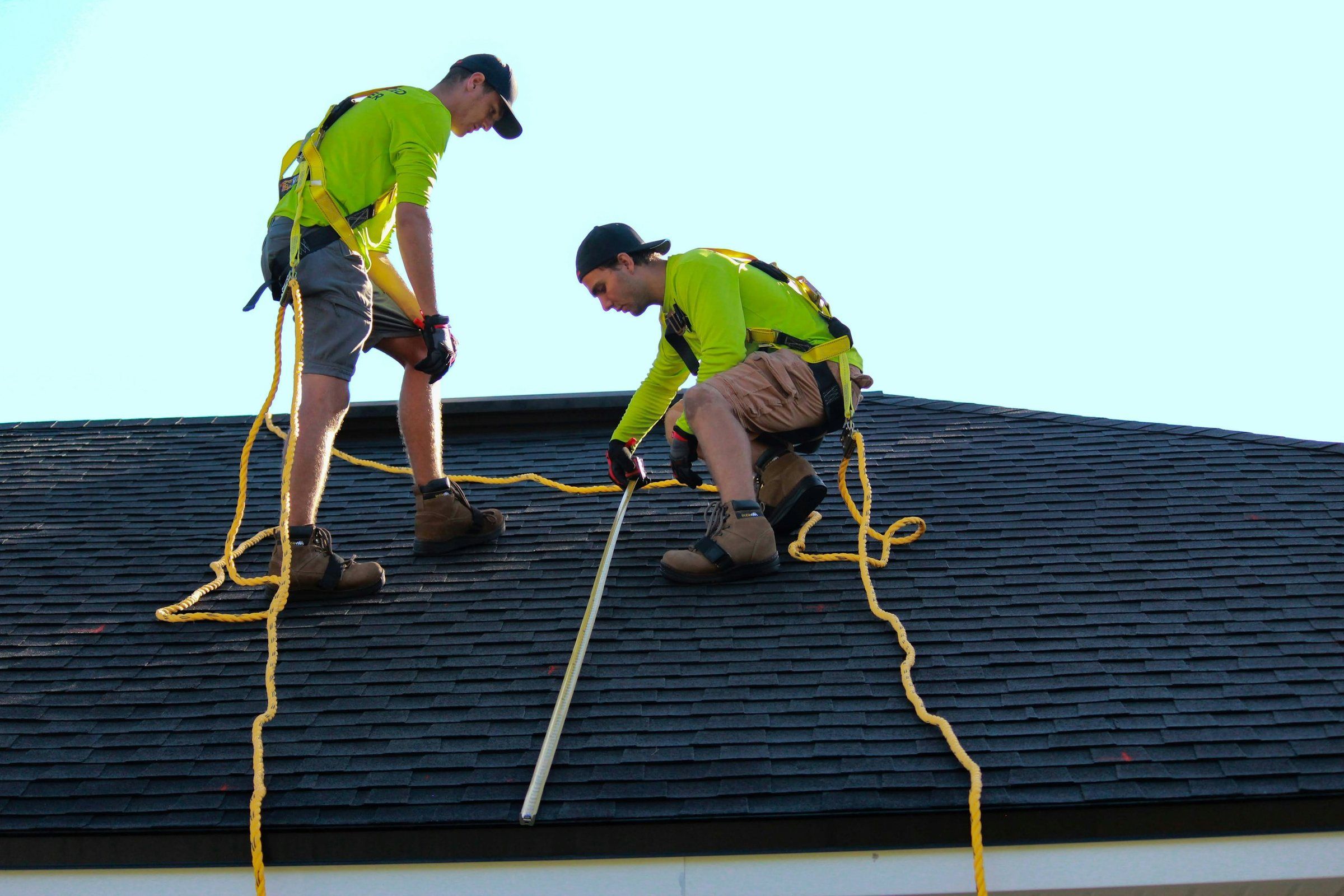
An inspection is only useful if it is thorough and you can see the results. Ours covers:
- Every slope, checked on the roof wherever it is safe to walk.
- Ridge caps, valleys, pipe boots, vents and all flashing.
- Soft metals and siding, which record hail size and direction.
- The attic, where accessible, for wet decking or daylight.
- Dated photos of what we found, sent to you to keep.
Then you get a plain answer. Sometimes that is "you have storm damage on the west and south slopes, and here it is." Sometimes it is "this roof is worn, but hail did not do it." We would rather tell you the second thing than have you file a claim that goes nowhere.
If there is damage, we write up a repair or replacement estimate you can hand to your insurer or use to pay for the work yourself.
Hail vs. Wind vs. Normal Wear
Adjusters make this distinction on every claim. It helps to know how before one visits your house.
Hail
Random, roughly round impact marks, heavier on the slopes that faced the storm. The bruise feels soft under a thumb. Matching dents show up in nearby metal. Damage dates to one event.
Wind
Concentrated at edges, ridges and corners. Creased, lifted or missing shingles in patches, often on one side of the house. Usually visible within a day of the storm.
Normal wear
Even granule loss over whole slopes, curling edges, surface cracking and blistering. Worse on south and west faces from sun. It happened over years, and insurance policies generally do not cover it.
A worn-out roof with no storm damage is a maintenance decision. Start with roof replacement in Chippewa Falls.
How a Roof Insurance Claim Works in Wisconsin
The claim is between you and your insurance company. Our part is to give you accurate information about the roof. Here is the usual order of events.
- Stop any active leak. Reasonable temporary protection, such as a tarp, keeps the damage from growing. Keep the receipts.
- Document before you clean up. The Wisconsin Office of the Commissioner of Insurance advises photographing damage before cleanup and not throwing out damaged property until the adjuster agrees.
- Get the roof inspected. You will know whether there is damage worth claiming, and roughly how much.
- Notify your agent or insurer. They assign an adjuster, who inspects the roof and writes their own scope of loss.
- Compare the scope with the estimate. If the adjuster's scope leaves out something we documented, you can ask your insurer to review it. With your consent, we can go over our findings with the adjuster.
- Decide, then schedule. Once you know what is covered, you choose the roofer and the material.
What Wisconsin law says about roofers and claims
Wisconsin regulates this closely because storms bring out-of-town crews knocking on doors. Under Wis. Stat. 100.65, a residential contractor:
- May not promise to pay or rebate any part of your insurance deductible.
- May not represent you or negotiate with your insurer on your behalf, though they may discuss the damage and their estimate with the insurer if you consent.
- Must give you written notice that you can cancel the contract within three business days of receiving written notice that your insurer has denied all or part of the claim.
We work inside those rules. We will never tell you a claim is certain to be approved or that your roof will be "free." Nobody but your insurer knows that.
Class 4 Impact-Resistant Shingles After Hail
If hail took your last roof, it is fair to ask whether the next one can do better. Class 4 is the highest rating in UL 2218, the standard impact test for roofing. To earn it, a shingle has to take a 2-inch steel ball dropped from 20 feet onto its most vulnerable spots without cracking through.
That is a lab test, not a promise. A Class 4 roof can still be marked by large hail, and no shingle is hail-proof. What the rating buys you is a much better chance of coming through an ordinary Chippewa Valley hailstorm without functional damage.
Two things to check before you upgrade. First, ask your insurance agent whether your policy offers a premium discount for Class 4 roofing, and whether it changes how cosmetic damage is handled. Discounts vary by company and are not automatic. Second, compare the price difference against how long you plan to stay in the house. Our asphalt shingle roofing page compares standard architectural and impact-resistant shingles side by side.
What to Expect After You Call
The same three steps whether you end up filing a claim, paying for a repair yourself or doing nothing at all.
-
Inspect and photograph
We check every slope, the flashing, vents and soft metals, and the attic where we can reach it. You get dated photos and a straight read on storm damage versus wear.
-
Written estimate
A repair or replacement scope with materials and price. Use it to decide whether a claim makes sense, and share it with your adjuster if you file one.
-
Repair or replace
Once you have made your decisions, we schedule the work, do it as written, and clean up. If the roof is open in the meantime, we tarp it.
Storm Damage Questions Chippewa County Homeowners Ask
How do I know if my roof has hail damage?
From the ground, look for clues rather than the damage itself: dents in soft metal such as roof vents, flashing, downspouts and window wraps, shredded window screens, and fresh piles of shingle granules where water runs off the roof. On the shingles, hail leaves round bruises where the granules are knocked away and the mat underneath feels soft. Confirming that takes someone on the roof, which is what our free inspection is for.
Should I call my insurance company or a roofer first?
Either order works, and Wisconsin's insurance commissioner advises notifying your agent or insurer promptly after a loss. Many homeowners like to have the roof inspected first so they know whether there is real damage before they file. If water is coming in, deal with that first, then call both.
Will my insurance pay for a new roof after hail?
We cannot tell you that, and neither can any other roofer. Coverage depends on your policy, your deductible, the age and condition of the roof and what the adjuster finds. What we can do is inspect the roof, document any storm damage with dated photos and write an estimate for the repair or replacement. The decision belongs to your insurer.
Can you waive or cover my insurance deductible?
No. Wisconsin law (Wis. Stat. 100.65) prohibits a residential contractor from promising to pay or rebate all or part of a property insurance deductible. If a roofer offers to "take care of" your deductible, that is a reason to be cautious about everything else they tell you.
Will you deal with the insurance company for me?
Not in the sense of negotiating your claim. Under the same Wisconsin statute, a roofing contractor may not represent a homeowner or negotiate with the insurer on their behalf. With your consent we can discuss the damage we found and our repair estimate with your adjuster, and we are glad to meet them at the house and walk the roof together.
What if my insurer denies the claim after I have signed a contract?
Wisconsin law gives you a way out. If the work was to be paid by an insurance claim and your insurer denies all or part of it, you may cancel the roofing contract before the end of the third business day after you receive written notice of the denial. A contractor is required to tell you about that right in writing before you sign.
Is a few missing shingles worth a claim?
Often not. If the repair costs less than your deductible, or not much more, paying for a straightforward roof repair yourself is usually simpler. We will give you a repair price so you can compare it with your deductible and decide.
How long after a storm can damage show up?
Wind damage is usually visible right away. Hail is slower. A bruised shingle can look fine for months, then shed its granules and start to crack as sun and freeze-thaw cycles work on the exposed asphalt. Policies set time limits for reporting a loss, so if a hailstorm came through, have the roof checked that season even if nothing is leaking.
Ready to have the roof checked? Request a free storm damage inspection.
Storm Damage Inspections Around Chippewa Falls
Storms rarely hit the whole county evenly. A cell can pound Cadott and miss Lake Hallie. We inspect roofs in all of these areas.
That means Chippewa Falls, Lake Hallie, Lake Wissota, Bloomer, Cadott and Jim Falls, and the farms, lake roads and smaller communities of rural Chippewa County in between. If you are not sure whether you are in range, call or text and ask.
Related Roofing Services
Roof Replacement
Full tear-off down to the deck, new decking where it is needed, ice and water shield at the eaves, and attic venting that matches the roof.
Explore roof replacement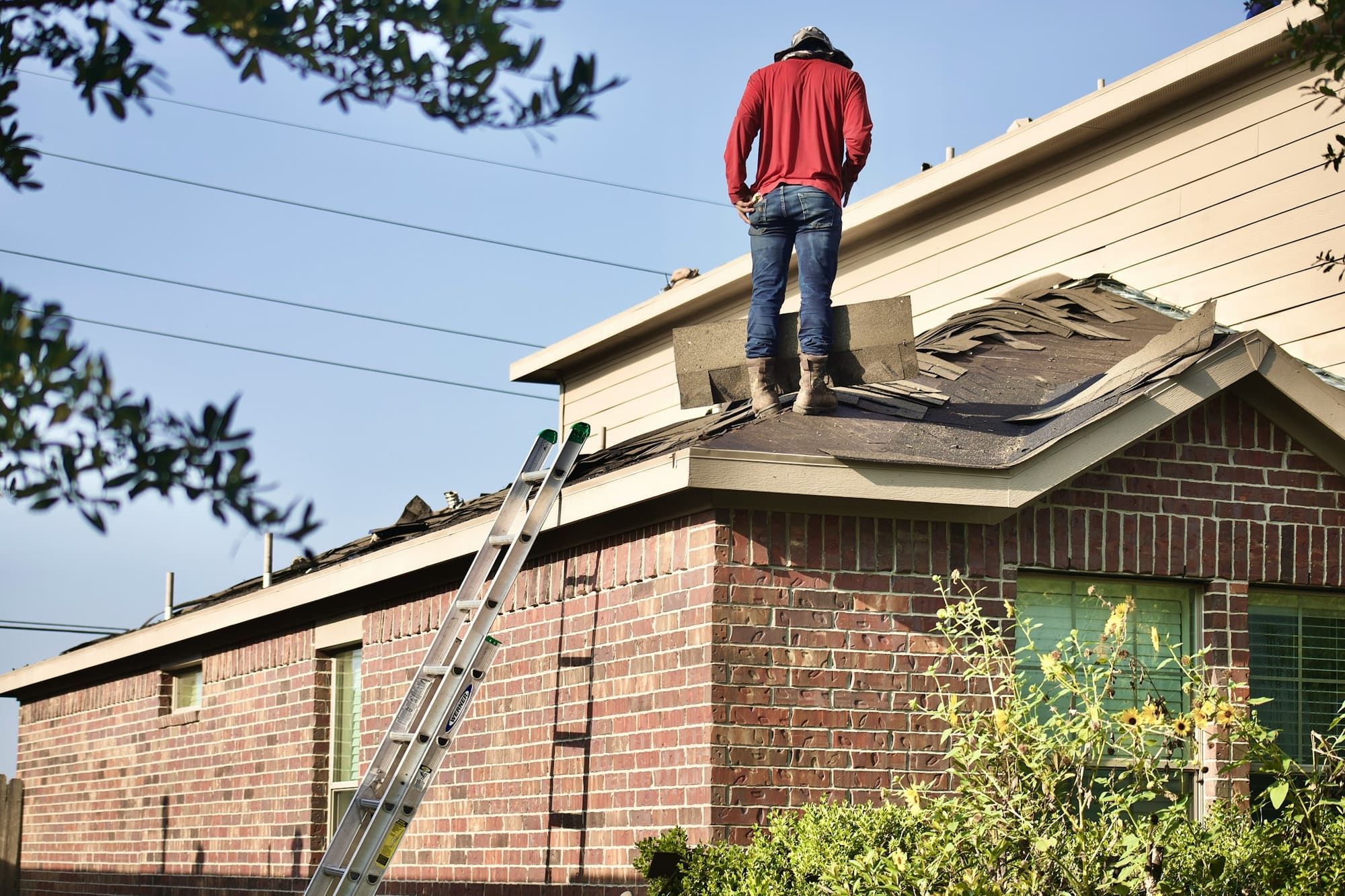
Emergency Roof Repair
Water coming in now? We tarp and dry-in the open area, photograph the damage, then quote the permanent repair.
Explore emergency repair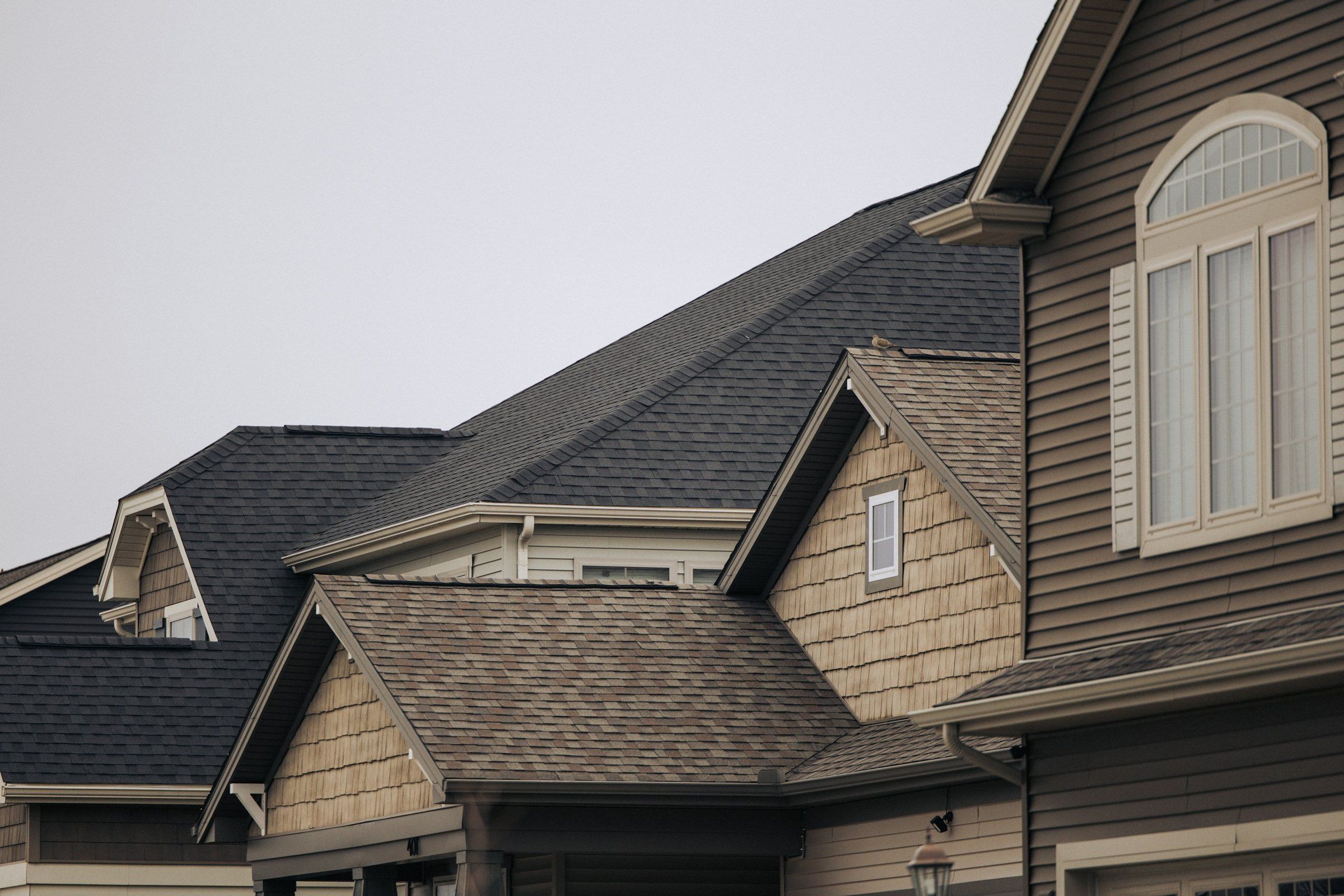
Asphalt Shingle Roofing
Architectural and Class 4 impact-resistant shingles, with algae-resistant options for shaded and lakeside roofs.
Explore shingle roofingHad a Storm Come Through? Get the Roof Checked.
The inspection is free and you keep the photos, whether or not there turns out to be any damage.