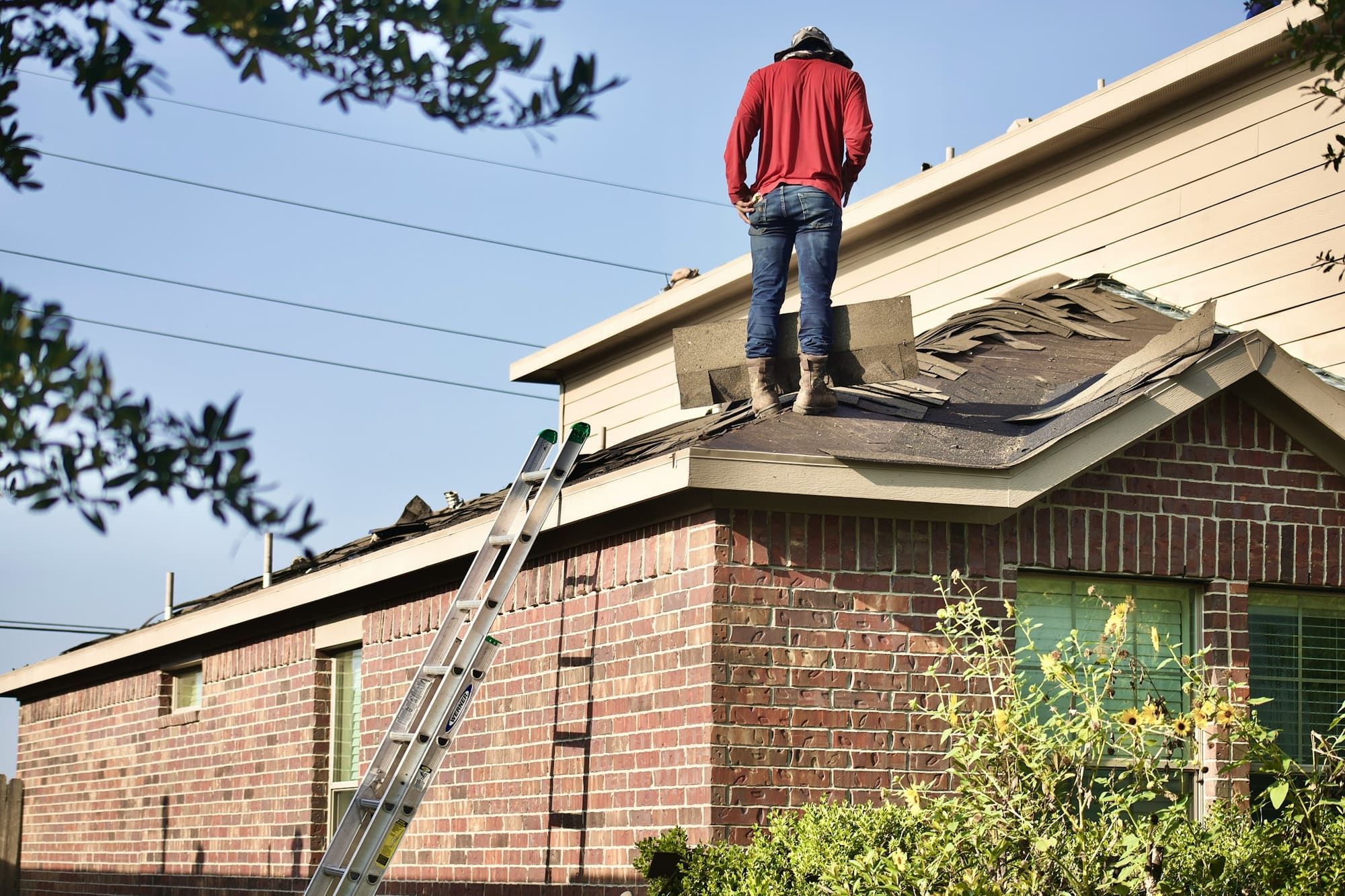
Emergency Roof Repair in Chippewa Falls, WI
Water coming through the ceiling, shingles in the yard or a limb through the roof? Call us. We are open 8am–6pm for emergency tarping and leak repair in Chippewa Falls and nearby.
Tell Us What's Happening
Call or text us and we will set up a time to look at your roof. Estimates and inspections are free.
Open 8am–6pm. Prefer email? info@chippewafallsroofingco.com
- Emergency tarping and dry-in
- Damage photos for your adjuster
- Open 8am–6pm
Roof Leaking Right Now? What to Do Before Anyone Arrives
You can do more in the next ten minutes than any roofer can do from the road. None of this involves going on the roof.
- Stay safe around electricity. If water is running through a light fixture, a ceiling fan or near an outlet, switch that circuit off at the breaker panel and leave it off.
- Catch and contain. Put buckets or totes under the drips and lay towels or plastic sheeting around them. Move furniture, electronics and rugs out of the way.
- Keep clear of a sagging ceiling. A bulge in the drywall is holding water and can let go without warning. Keep people and pets out from under it.
- Take photos and video. Get the ceiling, the walls, anything damaged, and the roof as seen from the ground. Do it before you start cleaning up.
- Stay off the roof. Wet shingles, wind, ice and loose debris are how people get badly hurt. That part is ours.
- Call us. Tell us where the water is showing, what the weather did, and whether you can see damage from the yard. Photos by text help us bring the right materials.
Emergency Roof Tarping and Temporary Dry-In
The goal of an emergency visit is narrow: stop water getting into the house. A proper permanent repair needs dry materials, daylight and often parts that are not on the truck. Trying to rush it in the rain produces a repair that has to be done twice.
What a proper tarp job looks like
- The tarp runs up and over the ridge where possible, so water cannot get in behind its top edge.
- Edges are wrapped around boards and fastened, so wind cannot work a loose corner free.
- Fasteners go where the roof will be repaired anyway, not through sound shingles.
- Broken decking is covered or braced first, so the tarp is not spanning a hole.
When a tarp is not the answer
Small openings are sometimes better handled with a temporary patch: a piece of membrane under the shingles above a failed pipe boot, or a section of flashing sealed for the short term. On flat roofs, an emergency repair usually means a patch over the puncture or open seam. We use whatever keeps the water out with the least added damage.
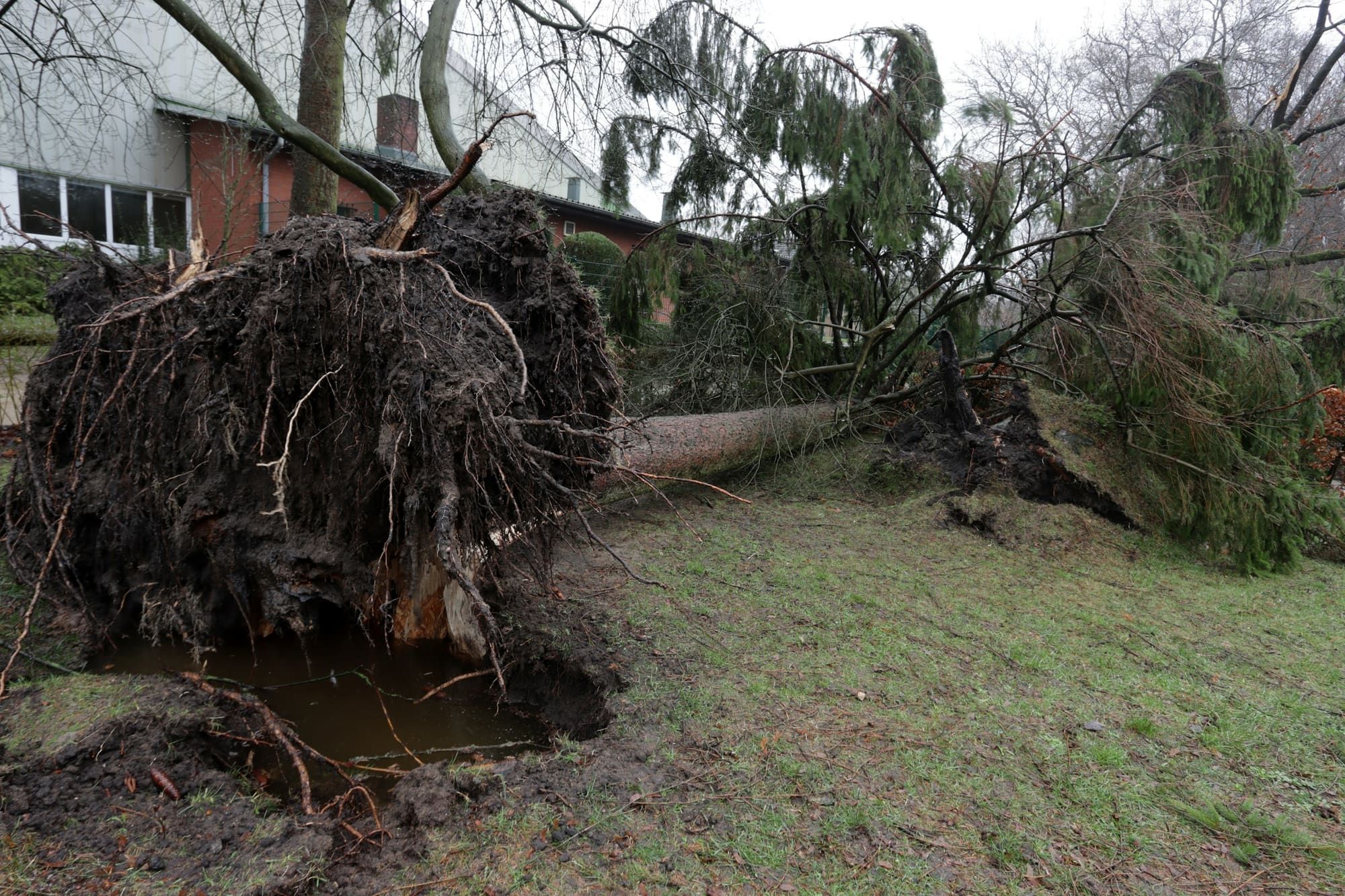
If a tree is resting on the house, it has to come off before the roof can be covered. If the framing is damaged, we will tell you, and you may need a tree service or a builder as well as a roofer.
Emergency Hours and Response Around Chippewa Falls
We are open 8am–6pm. During those hours, a phone call is the fastest way to reach us with an urgent roof problem.
We do not advertise a response time, because any honest roofer in the Chippewa Valley knows it changes with the weather. On an ordinary day, an active leak moves to the front of the schedule. After a storm that has hit the whole area, many roofs need attention at once, and we work through them by severity: open roofs and active leaks into living space first, then damage that is exposed but not yet leaking.
Conditions matter too. No one should be on a roof during lightning, in high wind or on glare ice. If we cannot safely get up there yet, we will tell you what to do indoors and come as soon as it is workable.
Outside our hours, leave a voicemail, text photos to the same number or send a message through the contact form. Those are read when we open.
Damage Photos for Your Insurance Adjuster
By the time an adjuster visits, the tarp is on and the worst of the mess is cleaned up. What the roof looked like before that matters to the claim.
So we photograph first. Before the tarp goes on, we take dated pictures of the damaged area, the surrounding roof, any debris or limb that caused it, and the decking where it is exposed. After the tarp is on, we photograph that too. You get the full set.
Your own photos of the interior belong with them. Wisconsin's Office of the Commissioner of Insurance advises taking pictures before you begin cleaning up, keeping receipts for repairs, and not throwing away damaged property until the adjuster agrees. The invoice for the temporary work is one of those receipts.
We cannot tell you whether a loss is covered. That is your insurer's decision. If the damage came from hail or wind, our storm damage roof repair page explains how the claim process works in Wisconsin and what a roofer is allowed to do in it.
Winter Roof Emergencies in the Chippewa Valley
Not every emergency arrives with thunder. Some of the worst leaks we see come on a sunny afternoon in February.
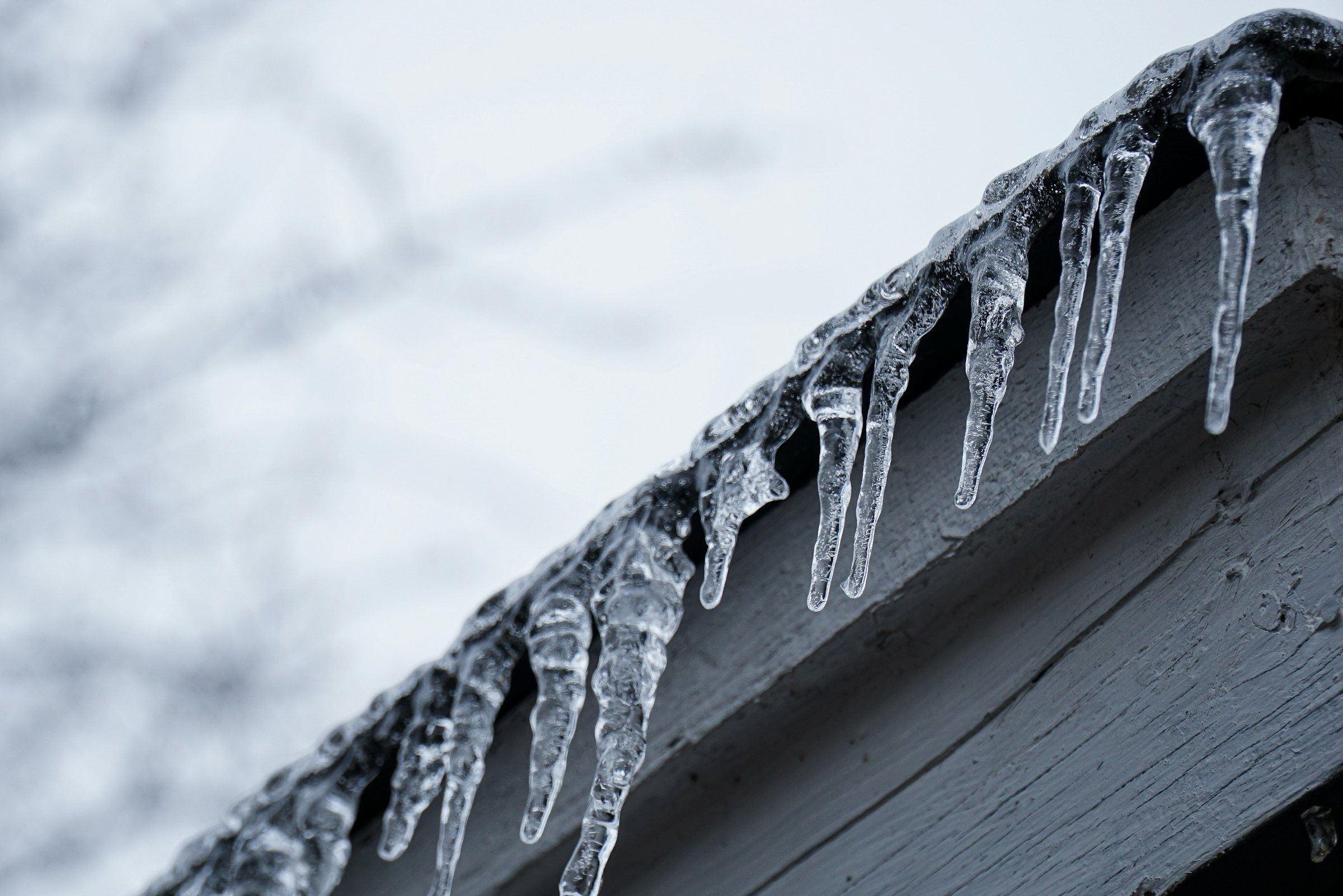
Ice dam leaks. Meltwater backs up behind a ridge of ice at the eaves and comes in along the outside walls, often above windows. There is no storm to wait out, and it continues as long as the roof keeps melting. Do not chip the ice or throw salt on the shingles. Raking snow off the lower few feet of roof from the ground, where you can do it safely, slows the supply of water.
Heavy snow. If doors upstairs start to stick, new cracks appear in ceilings, or you hear creaking under a deep, wet snow load, get everyone out from under that part of the building and call. Flat and low-slope roofs on garages, additions and commercial buildings are the ones to watch.
Wind on cold shingles. Shingles are brittle below freezing. A January windstorm can snap tabs clean off instead of just lifting them.
Winter limits what can be done in one visit. Often the right first step is to stop the water and protect the interior, with the permanent work to follow when the roof is clear.
From Temporary Fix to Permanent Roof Repair
A tarp is a pause button. Once the roof is dry and we can see everything, we come back to the question of what it actually needs.
Sometimes the answer is small: a few shingles and a length of flashing. That is a standard roof repair, quoted in writing like any other. Sometimes opening things up shows soaked decking or damage running further than it looked in the dark. And sometimes a storm has finished off a roof that was already near the end, and the honest recommendation is a replacement.
Whichever it is, you get photos, a written scope and a price before the permanent work starts. Nothing about the emergency visit commits you to using us for the rest.
Emergency Roof Repair Questions, Answered
Do you offer 24-hour emergency roof repair?
No, and we would rather say so than imply it. We are open 8am–6pm. Call during those hours and you will reach us. Outside them, leave a voicemail, send a text with photos or use the form, and we pick those up when we open. The steps on this page will help you limit the damage in the meantime.
How quickly can you get to my house?
It depends on the day. After a single leak on a quiet week, often soon. After a storm that has damaged roofs across Chippewa County, there is a queue, and open roofs with water coming in go first. When you call, we will tell you honestly where you are in that order instead of promising a time we cannot keep.
Should I tarp the roof myself?
We would not. A wet, wind-blown or icy roof is dangerous even for people who walk roofs every day, and a tarp weighted with bricks or nailed through good shingles can cause its own damage. You will do more good indoors: catch the water, move belongings and take photos. Leave the roof to someone with fall protection.
How long can a tarp stay on a roof?
Think of it as weeks, not seasons. A properly anchored tarp will ride out normal rain and wind while an estimate, an insurance adjuster visit or a material order is sorted out. Sun and wind break tarps down, and one that sits through a Wisconsin winter under snow and ice is likely to fail. The permanent repair should be scheduled as soon as it reasonably can be.
Will insurance pay for emergency tarping?
Many homeowners policies expect you to take reasonable steps to prevent further damage after a covered loss, and insurers often reimburse the cost of temporary protection. Whether yours does is up to your insurer and your policy. Keep the invoice and the photos, and ask your agent.
A tree limb is on my roof. Who do I call first?
If wires are involved, the utility, and stay well away. If the limb is large or still attached to the tree, a tree service has to remove it before anyone can work on the roof. Once it is off, we can cover the opening and assess the decking and framing. If you are not sure who is needed, call us and describe it.
My roof is leaking in winter and there is no rain. Is that an emergency?
It is probably an ice dam, and it is worth a call. Water backing up behind ice at the eaves can keep coming for as long as the melt continues. Catch what you can indoors and do not chip at the ice. We can look at where the water is getting in and what can safely be done in the conditions.
Not urgent after all? See roof leak repair in Chippewa Falls.
Emergency Roof Repair Around Chippewa Falls
We take urgent roof calls from Chippewa Falls and the surrounding towns. Tell us where you are and what the roof is doing.
That means Chippewa Falls, Lake Hallie, Lake Wissota, Bloomer, Cadott and Jim Falls, and the farms, lake roads and smaller communities of rural Chippewa County in between. If you are not sure whether you are in range, call or text and ask.
Related Roofing Services
Roof Repair
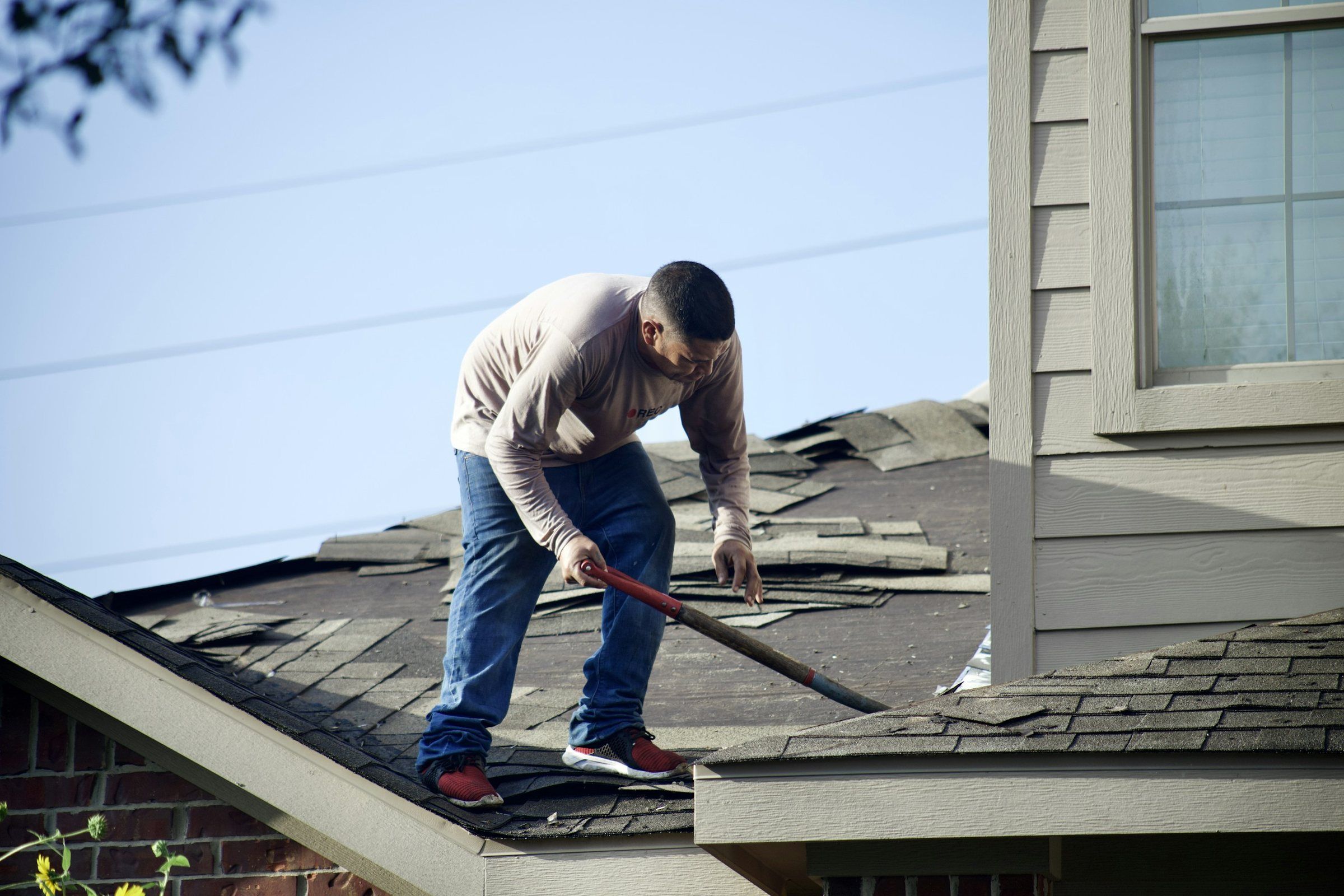
Leaks traced to the source and fixed: pipe boots, chimney and wall flashing, valleys, ice dam damage and missing shingles.
Explore roof repair
Hail & Storm Damage
Free hail and wind damage inspections with photos you keep, and a plain answer on whether it is storm damage or normal wear.
Explore storm damage repairRoof Leaking Now? Call Us.
We are open 8am–6pm. Outside those hours, text us photos or send the form and we will pick it up when we open.